Can Alzheimers be Prevented and
Alzheimers Early Stage be Helped?

Can Alzheimers be prevented? What are the medical scientists saying? Can Alzheimers early stage be slowed or stopped?
Fortunately, Alzheimers prevention may be easier we thought! Yes there are low-cost ways to slow and prevent Alzheimers disease!
- How? Medical scientists have found targeted nutritional interventions shown to work.
It is no longer a question of "can Alzheimers be prevented" but how best this can be done! Here's what scientists have found:
Can Alzheimers be Prevented with Nutrition?
 Yes you CAN improve!
There are many studies showing nutritional interventions that help and can even reverse!
- There are experimental studies with animals, and studies with groups of people showing how to improve BOTH "neuronal plasticity" AND "function."
- This means both the ability to learn new things and theability to do things can be improved!
This is good news!
Scientists, are showing what to use to “stimulate synapse formation” and effectively reduce Alzheimer Disease “neuropathology.”
- They say that yes, you can “modify the disease process,” especially in the early Alzheimer Disease stages.
They can now tell us which nutrition can best “Counteract specific aspects of the neuro-degenerative and pathological processes in the brain.” 1
A Vitamin that Can Slow Alzheimers?
Yes, the B-vitamins including folic acid can prevent Alzheimers:

“Folic acid and polyunsaturated fatty acids improve cognitive function and prevent depression, dementia, and Alzheimer's Disease” 2
Vitamin B Slows Brain Shrinkage in Alzheimer’s Patients
An Oxford University study showed that that taking vitamins B6, B12 and folic acid in medicinal quantities slowed brain shrinkage by 30% to 50% during the two years of the study.
- This improved memory, language and other mental functions.
Participants were taking supplements of Vitamin B6, Vitamin B12 and folic acid.
- These supplements lowered levels of the amino acid homocysteine which has been linked to the type of brain-cell damage found in people with Alzheimers and in people with heart disease. 3
These
low-cost supplements cover a lot of bases, so they are worth taking for
Alzheimers prevention, especially for early signs of Alzheimers!
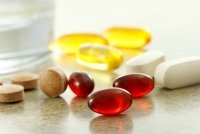
It is known that high homocysteine is associated with cognitive decline in the elderly -- both for Alzheimer's disease and for vascular dementia
- When you take folic acid and B vitamin supplements these lower the homocysteine in your blood. This is very important because high levels of homocysteine damages blood vessels and increases risk of dementia.
- Why take supplements? Elderly people can't absorb these vitamins as well from their diet, or their diet may be lacking, so that supplements are typically needed.
- Vitamin B12 absorption is even trickier, so it is best to get the "sublingual" type for under the tongue.
- The people in the study took dosages of 0.5 milligrams of B12, 0.8mg of folic acid and 20mg of vitamin B6.
This research showed that vitamin treatment can help with memory, language and other mental functions.
- Folic acid and vitamin B slowed the development of MCI, the mild cognitive impairment that leads to Alzheimer’s.
This is remarkable considering it is a simple Alzheimers cure, when the meds only marginally help Alzheimers symptoms and have horrible side effects.
Scientists Agree on How Can Alzheimers be Prevented!
 YES we can reverse mild cognitive impairment!
The research that this vitamin can slow Alzheimers is so compelling that scientists world-wide are urging its use for the elderly.
- In an "International Consensus Statement," public health scientists urge Alzheimers treatment with B vitamins because this both:
1) markedly slows the rate of whole and regional brain atrophy, and
2) slows cognitive decline
Can Alzheimers be Prevented with Vitamin E Treatment?
Yes, vitamin E treatment in Alzheimers is important because it is a key antioxidant, so it helps to protect.
However, to best address Alzheimer causes, it is well established that omega 3 is essential:
Why Omega-3 Fatty Acids?
Omega-3-fatty acids protect against dementia.
- Early symptoms of Alzheimer disease can be stopped by using omega supplements with essential fatty acids (EFAs). This is good news for anyone with early signs of Alzheimers. 4
How do omega EFA's work for treating Alzheimers?
Scientists have long report that because Essential Fatty Acids, EFA’s “suppress inflammation, augment healing, and are of benefit in the PREVENTION and MANAGEMENT of conditions such as depression, coronary heart disease, stroke and Alzheimers Disease!" 5
- Researchers are certainly saying that using omega supplements (EFAs) can lessen the burden of these diseases!
Build a Better Brain with the Master Antioxidant
Antioxidants protect, including vitamins E, C, but most important is the protective MASTER ANTIOXIDANT called glutathione, GSH.
- This protective antioxidant can best be replenished in the brain by taking a proven protein supplement to rebuild glutathione in the brain.
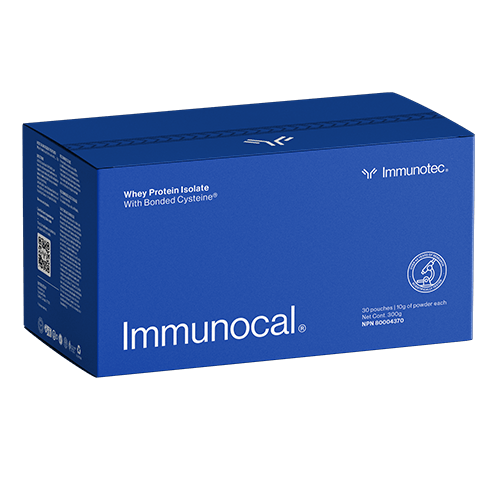
- Taking it in pill form does not work, but IMMUNOCAL, a glutathione-building protein will cross the blood brain barrier and replenish this antioxidant.
Alzheimers New Discoveries for Treatment
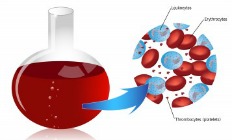
How Can Alzheimers be Prevented with Glutathione GSH treatment?
Glutathione (GSH) deficiency contributes to "oxidative stress" and therefore appears to play a key role in development of diseases like Alzheimers.6
- "Adams and his research team found that glutathione GSH levels diminished in the area of the brain involved in short-term memory (hippocampus)" of Alzheimers patients.
- “Jenner and his co-workers found a similar decrease of glutathione in the areas of the brain involved in higher intellectual functioning (the cerebral cortex)” of people with Alzheimers. 7
Best Brain Health Supplements?

You may ASK US for a personal recommendation for:
- Best Alzheimer natural treatment: how people benefit.
- Studies showing Alzheimer causes related to glutathione GSH DEPLETION in the brain.
- Best brain nutrition supplements to regain function
Can Alzheimers be Prevented with
Spices and Herbs for Alzheimer's Disease?
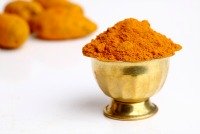
Tumeric and Alzheimers: Eat Curry For Preventing Alzheimers Disease?
Why does India have a very low rate of Alzheimers disease?
Researchers have traced the fact that very few people in India get Alzheimers to the anti inflammatory action of Turmeric -- the spice that gives curry its yellow color.
Scientists say that the active ingredient in Turmeric -- curcumin -- can be used:
- “as a useful adjunct in the TREATMENT of neurodegenerative illnesses characterized by inflammation, such as Alheimers Disease, because of the involvement of curcumin in restoring cellular homeostasis and rebalancing redox equilibrium.” 8
Best to eat curries for preventing Alzheimers, and Alzheimers disease stages!
Can Alzheimers be Prevented? Here are the ABC's

Best brain protective Alzheimers Diet? What to eat for preventing Alzheimers?
- Eat whole, unrefined foods with natural fats, especially fish, nuts and seeds, olives and olive oil; and to
- Minimize foods that disrupt insulin and blood sugar balance.
Why? Researchers at the The Mount Sinai School of Medicine, New York, New York, USA warn of a connection between high calorie intake, metabolic syndrome and Alzheimers Disease.
They show that lifestyle, especially nutrition, can be crucial in preventing Alzheimers and stopping early signs of Alzheimers.
Can Alzheimers be Prevented for Diabtecs?
"Unhealthy lifestyle choices lead to an increasing incidence of obesity, dyslipidemia and hypertension--components of the metabolic syndrome. These disorders can also be linked to Alzheimers Disease."
- These researchers recommend that people likely to get Alzheimers Disease -- those with a family history or with metabolic syndrome -- such as obesity, insulin insensitivity, to avoid foods and drinks with added sugars. 9
What's Different in People with Alzheimers?
Are there differences in the diet of people who get Alzheimers and those who don’t?

Japanese researchers compared the diets of a group of people with Alzheimers disease or with vascular dementia, to the diet of those of the same age who were free of the disease.
What were these differences?
The women especially, ate LOWER amounts of fish and green vegetables.
- When the researchers asessed the nutrients in their diet they found DEFICIENCIES of Omega 3 polyunsaturated fatty acids, multiple vitamins, and minerals.
People who had Alzheimers had EXCESSIVE INTAKE of Omega 6 polyunsaturated fatty acids (PUFA) and relative DEFICIENCIES of multiple vitamins including antioxidants, vitamin C and carotene, and the vitamin B's as well as folic acid.
Why is nutrition so Key?
The researchers explain that these dietary imbalances would cause chronic inflammation, and oxidative stress, thereby increasing the chances of Alzheimers disease and Alzheimers dementia. (vascular dementia) 10
- If you already suspect Alzheimer Disease symptoms, best to add the best brain health supplements, and Alzheimer natural treatments.
- No longer a question of "can Alzheimers be prevented" but which steps you can best take!
How Can Alzheimers be Prevented the Best?
Research for preventing Alzheimers generally agrees on the following:
Take VITAMIN B and the OMEGA’s
- Both folic acid and polyunsaturated fatty acids e.g. fish oil have been found to improve cognitive function and prevent depression, and dementia.
- The neuro-protective action of omega-3 polyunsaturated fatty acids against neurodegenerative diseases has been well documented.
ANTIOXIDANTS C, E and GSH
- Antioxidants also play a key role in preventing Alzheimers, counteracting the oxidative stress that causes damage to the arteries and to the brain.
Particularly vitamin C, E as well as the Master Antioxidant glutathione GSH have been shown to prevent damage from “oxidative stress.”
Re-build glutathione GSH in the BRAIN. This can best be done with a clinically proven protein called IMMUNOCAL.
We hope you will use out tips, for how can Alzheimers be prevented!
And Alzheimers new discoveries for nutrition and Alzheimers natural treatment.
An Alzheimers memory test can be intimidating, but act now, because Alzheimer causes can be helped!
Whether you suspect early symptoms of Alzheimer's, or simply "don't want to go there," you can stay healthy, and certainly improve all Alzheimer disease stages.
You can certainly make caring for Alzheimer's easier, and the patient more involved and self sufficient.
- Preventing Alzheimers is possible! Certainly you can get a new Alzheimer's test that can stop an early Alzheimer sign in its tracks.
We look forward to hearing from you and your experiences with Alzheimers treatment, or Alzheimer disease stages and your experiences of caring for Alzheimer's patients!
-------------------------------------
Sources:
1. Eur J Pharmacol. 2008 May 6;585(1):197-207. Epub 2008 Mar 4. van der Beek EM, Kamphuis PJ.
2. Prostaglandins Leukot Essent Fatty Acids. 2008 Jan;78(1):11-9. Epub 2007 Nov 28.
3. Published in the International Journal of Geriatric Psychiatry, by Celeste de Jager, a neuro-psychologist at Oxford.
4. ReviewOmega-3 fatty acids and neurological injury. Omega-3 fatty acids and dementia. Palmblad J, et all. J Neurochem. 2006.
5. Can Essential Fatty Acids Reduce the Burden of Disease(s)? Lipids Health Dis. 2008 Mar 18;7:9.
6. Glutathione in Health and Disease. Dr. Patricia Kongshavn, MSC, Ph.D. January 2005.
7. Alzheimer’s Disease by Dr. Jimmy Gutman, MD, FACEP, from the book, “GSH, Glutathione, Your Key to Health”
8. Immun Ageing. 2008 Aug 13;5:7.Racchi M,et all.
9. Pasinetti GM, Eberstein JA. J Neurochem. 2008 Aug; 106 (4): 1503-14. Epub 2008 May 3
10. Otsuka M, Yamaguchi K, Ueki A, Ann N Y Acad Sci. 2002 Nov; 977: 155-61
How can Alzheimers be prevented with Alzheimer natural treatment:
------------------------------------
GO TO Health Discoveries HOME PAGE from Can Alzheimers Be Prevented?


Recent Articles


-
Natural Blood Pressure Supplement Backed by Science
Apr 13, 24 04:10 PM
Try a natural blood pressure supplement for lowering blood pressure without life long medications. -
Scientists find a Natural Treatment for Parkinsons Disease
Apr 04, 22 10:18 PM
A new treatment for Parkinsons disease? Parkinson's disease is a neuro-degenerative disorder for which no neuro-restorative therapeutic treatment is currently available. The medications typically used… -
Amazon’s Best Beauty Products?
Mar 25, 22 12:00 AM
Finding which beauty product is best for your health has just become easier. Did you know that in 2022 Amazon created the Amazon AWARE line of beauty products that are EWG VERIFIED? This stamp of appr…