Can High Blood Pressure Make You Fat?
Does Insulin Cause Weight Gain?
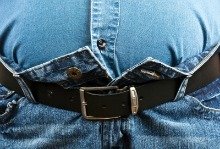
Is high blood pressure linked to not being able to lose weight? Does insulin cause weight gain?
Yes, researchers say that hypertension is one of the symptoms of insulin resistance, causing insulin weight gain!
- But before you go to your doctor for some pills, consider that blood pressure meds may not be your best friend. Why?
Because these drugs do not address what is now believed to be an underlying cause -- too much insulin in the blood.
Nor have researchers been able to show that taking drugs for hypertension prevents heart failure or that they make you live longer:
"Despite reductions in heart attacks and improved control of blood pressure, the prevalence of heart failure does not seem to be falling and may be rising." (British Medical Journal, The Lancet)
So, best to scroll down for LOTS of insulin sensitivity fat loss diet tips!

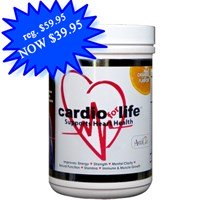
Why add a natural blood pressure supplement?
For fast results, here's the best of insulin resistance supplements.
Dr. Harry's mission to end heart disease led him to this fat diabetes insulin supplement.
This UNIQUE formula helps lower blood pressure by relaxing the blood vessels AND improving blood sugar!
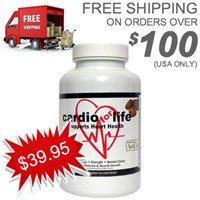
Dr. Harry's formula can treat diabetes 2 and high blood pressure by:
- increasing insulin sensitivity by 38%
- improving glucose (sugar) absorption by 57%
- decreasing blood sugar levels by 19%
- lowering blood pressure and cholesterol
SAFE with medications!
See VIDEO & ARTICLES: to lose weight high blood pressure help
Why Not Just Meds for High Blood Pressure?
Nutrition experts Nikki and David Goldbeck point to a reason why reducing blood pressure with drugs may be unsuccessful in reducing the risk of death from heart disease. Why?
- Because the drugs do not address what is now believed to be an underlying cause: too much insulin in the blood.
- Typically, hypertension is complicated by insulin resistance, they explain, so that the overflow of insulin into the blood must also be remedied before heart disease can be prevented.
Treating high blood pressure with drugs does not tend to reduce insulin resistance syndrome or Syndrome X or hyper-insulinemia.
It is considered to be pre-diabetes where there is too much insulin in the blood, but it is already causing harm.
For some people, taking drugs for blood pressure causes a WORSE blood lipid profile, resulting in:
Higher triglycerides, a higher concentration of damaging, harmful LDL’s and a lower level of the protective HDL’s, so check this with your doctor.
How Can High Blood Pressure Make You Fat?

If an underlying condition of high blood pressure is too much insulin in your blood, you gain weight. Why?
When a person with insulin resistance eats carbohydrates, the glucose that emerges in the bloodstream often triggers the release of more insulin than is normally needed.
What are the symptoms of too much insulin, and what's the result?
- Increases hunger and the desire for carbohydrates
- Increases the number and size of fat cells
- Prevents the body from removing stored energy from muscle and fat tissues
Signs and Symptoms of insulin resistance:
- Increase in appetite rather than satisfaction following carbohydrate-rich meals
- nsulin weight gain - a tendency to gain weight even with modest calorie intake
- Difficulty shedding unwanted pounds
How to Lower Blood Pressure and Lose Weight

Reducing insulin to normal levels often corrects high blood pressure, along with improving blood lipids.
- You guessed it -- this can BEST be done with both diet and exercise.
In addition to diet, exercise changes how the body uses carbohydrates and improves insulin resistance.
- Not surprisingly, exercise is also recommended to control blood pressure, and is one of the few ways to improve the HDL ratio.
But here's some surprises about how to lower blood pressure and lose weight:
Eat More Fats to Reduce Insulin Weight Gain
By having patients CUT DOWN on carbohydrates and EATING MORE FATS, Dr. D. Schwarzbein found that her diabetic patients BEGAN TO LOSE WEIGHT.
- When these patients got off the low-fat, high-carbohydrate diet recommended by the American Diabetes Association (ADA), they very quickly began to lose weight!
- To everyone's surprise, the "cheaters" who were eating more butter, cheese, eggs and steak than suggested, improved their blood sugar levels even more than the others!
- People felt satiated and their energy levels improved. Their cholesterol levels also were improving along with their blood sugar levels.
Dr. Schwarzbein figured that the ADA diet they had been on had caused their blood sugars to sky rocket after meals because of the hidden sugars in the form of carbohydrates, and had kept their weight up.
But there's more about how to lower blood pressure to lose weight:
Eat MORE Fats to Lose Weight?
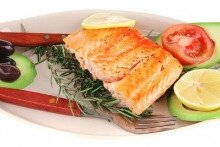
It turns out that insulin levels control weight gains MORE than fat intake.
Both fat and cholesterol DEPRIVATION disrupt metabolic processes, because both good fats AND cholesterol are ESSENTIAL to biochemical processes.
- What Dr. Schwarzbein found in both her research and her patients, was that the CONVENTIONAL WISDOM that EATING FAT is bad for the heart was wrong.
Rather, it was HIGH INSULIN LEVELS that are associated with plaque deposits in the arteries.
- By EATING more FATS and CHOLESTEROL than the ADA diet these patients were able to LOWER their INSULIN LEVELS and switch off the body's production of cholesterol.
HIGH BLOOD PRESSURE also changed. Why?
Insulin, it turned out was the real culprit.
WITHOUT FAT, it was found, INSULIN LEVELS RISE HIGHER in the blood, leading to other factors that cause high blood pressure, or hypertension.
Many Symptoms - One Common Thread
High blood pressure is usually part of a cluster of health problems called the Metabolic Syndrome:
- High Blood Pressure
- Cholesterol Abnormalities
- Elevated Triglyceride Levels and Blood Sugar Levels
- Belly Fat – a concentration of fat around the abdomen and insulin weight gain.
People with this syndrome are more prone to heart attacks and strokes.
Although these disorders have been linked together for years, a common thread was not recognized: This common thread, or underlying cause, is now believed to by hyper-insulinemia.
What is hyper-insulinemia? Symptoms of too much insulin?
Hyper-insulinemia is EXTRA INSULIN IN THE BLOOD – and you don't have to be diabetic for this to be a problem. Why?
This also happens in many people who do NOT have diabetes.
Scientists say that although it is not clear if insulin itself causes heart disease ....or if it causes heart disease by increasing risk factors such as higher circulating fats (e.g. serum triglycerides) and higher blood pressure....
Even though they don't really know the answer to that, the result is the same:
If the amount of insulin in your blood is NOT within a normal range, you are at risk for heart disease or a stroke!
Reduce Blood Pressure with Vegetables
Yes, you can reduce blood pressure with vegetables! Why?
The fiber in vegetables makes an enormous contribution.
In experimental diets showing significant improvement in insulin use, the fiber in starchy vegetables (including peas, corn, and legumes), combined with other vegetables, generally accounts for the largest benefits, followed by grains and then fruit.
- Vegetables and fruit have been repeatedly shown to protect against high blood pressure and heart disease.
- “We observed that people who consumed more vegetables and fruit, compared to people who ate little no or vegetables and fruit, had a 27 percent lower risk of having a heart attack,”
Dr. Romaina Iqbal told the Cardiovascular Congress 2006., co-hosted by the Heart and Stroke Foundation of Canada and the Canadian Cardiovascular Society.
- “This study provides more proof that you ARE what you eat, and what you eat could be killing you, according to Dr. Iqbal.”
To test the value of dietary intervention, one hospital provided a group of patients with a vegetable-fruit enriched diet during the first week after an acute heart attack.
As part of an overall fat-restricted menu, the diet included 400 grams of vegetable/fruit daily.
- As a result, blood levels of all cardiac risk factors improved on this regimen, compared with the control group who was given a diet with only half as much of these foods.
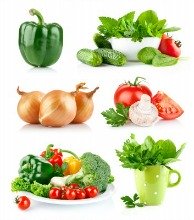
- The blood tests of participants who consumed extra vegetables and fruit (as much as 680 grams a day) exhibited even greater improvement.
Short term follow up reported a decreased rate of repeat incidence, and a year later there were fewer deaths from all causes in the initial intervention patients. (Nikki & David Goldbeck)
- Other studies have reported that flavonoid intake explained about 25 percent of the variation in deaths from heart disease.
How to lower blood pressure and insulin to lose weight is not a mystery!!
Eat your veggies and get creative in making salads and veggie dishes!
Licorice High Blood Pressure?
Yes, you can take a licorice flavonoid oil (LFO) or a licorice extract to lose weight!
This has definitely been shown to help with weight loss and lowering BMI or body mass index of less fat and more muscle.1
- Yes, taking a licorice extract does reduce body weight, but it also increases blood pressure!
So licorice is not advised if you already have high blood pressure. Have your blood pressure checked for silent symptoms of high blood pressure if you are trying a licorice extract!
Carbohydrates, Appetite & Insulin Weight Gain

While our bodies can get needed from fats and to some degree proteins, the brain and central nervous system must be fueled by carbohydrates.
Research supports the notion that all carbohydrates -- both sugars and starches – quickly suppress hunger and boost satiety for a time.
Under ideal conditions, the body responds by matching insulin levels to the glucose that is released from carbohydrate breakdown, and as a result, our appetite diminishes.
- The problem? Sugars and starches tend to cause insulin to be released very early and quickly.
This quick insulin reaction will cause your satisfaction to be short-lived and you hunger will soon return.
So... the natural response is to eat more and you are caught in a cycle.
- Then, when this continues, these spurts of raised blood sugar will cause cells to "become insulin resistant" which means your body will increase and preserve its fat reserves.
Not a good cycle, so how best to break this for weight loss and for getting rid of belly fat?
No More White Stuff!

Dr. Liu, at the Harvard School of Public Health found that women who ate the most HIGH FIBER whole grains had 49% LOWER chance of gaining weight in the 12 years of the study, as compared to those who ate the least amount of whole grains.
Published in the American Journal of Clinical Nutrition, this article shows the harmful results of eating a lot of refined grains -- or white stuff!
- In the same journal issue there was an article by Dr. Liese on the role of whole grains in stopping insulin resistance and PREVENTING OBESITY-RELATED DIABETES and coronary heart disease.
- Even when they ruled out things like differences in weights, total diet and exercise habits, whole-grain still came out to be associated with a reducing one's risk of METABOLIC SYNDROME as well as death from coronary heart disease.
In total, researchers found that both men and women who ate the most whole grain -- usually three servings a day -- were less than half as likely to have metabolic syndrome than those who ate less than one serving of whole grains per day.
- Also, whole-grain eaters were about half as likely to die from cardiovascular disease in the next 12 to 15 years.
Men and women who ate more whole grains also tended to have lower blood sugar levels and to weigh less than those who favored refined grains.
(Dr. N R. Sahyoun, American Journal of Clinical Nutrition)
Do white bread, muffins, cereals and the quick fix foods still sound as appetizing?
More Bananas, Oranges, Spinach and Tomatoes
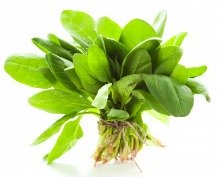
Eating more foods high in potassium has also been shown to lower blood pressure, regulate heart rhythm and lower your risk of stroke.
- We already know about bananas and potassium.
- Other potassium-rich foods include orange juice, beets, potatoes, cantaloupe, spinach and tomatoes.
Eat more fats? Less Risk of Heart Disease with Walnuts!
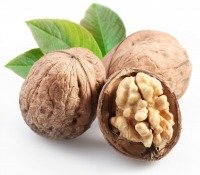
The heart benefits of walnuts include lowering cholesterol, reducing inflammation AND high blood pressure as well as improving arterial function.
- Even the fish-rich Japanese diet became even more beneficial by adding walnuts, according to a study at Kyushu University, Tokyo, that showed a reduction in blood fats (serum lipid levels) of those eating walnuts.
Getting started by substituting a hand full of walnuts instead of that mid-afternoon cookie is one big step in a new direction toward both successful weight loss and lower blood pressure.
Does Eating Sugar Cause Diabetes?
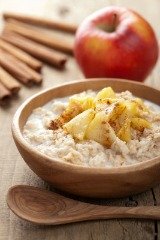
How to lower blood pressure, insulin and lose weight?
For years the medical community insisted that eating sugar and refined carbohydrates does NOT cause diabetes.
- However, a Harvard study clearly shows that cola drinks, jams, refined breadstuffs, white rice and potatoes were definitely the foods that are associated with diabetes.
Based on 65,000 disease-free U.S. women in the Nurses’ Health Study)
- The conclusion of the study was that “diets with a high glycemic load and a low cereal fiber content increase risk of diabetes in women.”
To counter this, they suggest eating whole grains and low glycemic foods that don't cause a "sugar rush".
High Blood Pressure Leads to Mental Decline

A study at the Mayo Clinic linked both diabetes and high blood pressure to a decline in mental ability.
- "While the participants in the study may not have noticed any decline in their mental ability, the decline was statistically significant," says David Knopman, M.D., a Mayo Clinic neurologist and the senior author of the study.
The study results are leading researchers to believe that controlling hypertension and diabetes that begin before age 60 might lessen the burden of cognitive impairment later in life.
- "The results point to the fact that there are things some people may be able to do during middle age to help preserve our mental abilities later in life."
- High cholesterol, on the other hand, is associated with slightly better mental functioning as we age!
Lowering high blood pressure and insulin naturally will keep you sharp!
Need EXTRA help to reduce high blood pressure without medication?
Ask Us:
For a recommendation for a natural blood pressure supplement for insulin sensitivity fat loss:
- lower insulin resistance
- help reverse diabetic complications
- lower blood pressure and cholesterol naturally
- help with stress and insulin weight gain
We hope you have new ways to lower blood pressure and insulin to lose weight!
Hopefully you are now inspired to start getting rid of belly fat, insulin resistance and hypertension naturally!
- The answer to "does insulin cause weight gain?" and "can high blood pressure make you fat?" is YES!!
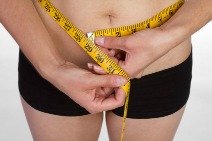
- You'll be happy to know that getting rid of belly fat can be done with the same foods considered to be high blood pressure cures.
Your medications will NOT get at the root causes of insulin weight gain.
To lose weight long term you need to reverse insulin resistance and eat more "real" unprocessed foods and good fats. As a result, your blood pressure will improve, and you'll live longer and be healthier.
We hope our suggestions for how to lower blood pressure have been helpful!
--------------------------
SOURCES:
1. Licorice High Blood Pressure
Phytomedicine. Metabolic changes after licorice consumption: A systematic review with meta-analysis and trial sequential analysis of clinical trials. 2018 Jan 15;39:17-24. doi: 10.1016/j.phymed.2017.12.010. Epub 2017 Dec 9.
- No more Losartan side effects
Go to Health Discoveries HOME PAGE from symptoms of High Blood Pressure


Recent Articles


-
Natural Blood Pressure Supplement Backed by Science
Apr 13, 24 04:10 PM
Try a natural blood pressure supplement for lowering blood pressure without life long medications. -
Scientists find a Natural Treatment for Parkinsons Disease
Apr 04, 22 10:18 PM
A new treatment for Parkinsons disease? Parkinson's disease is a neuro-degenerative disorder for which no neuro-restorative therapeutic treatment is currently available. The medications typically used… -
Amazon’s Best Beauty Products?
Mar 25, 22 12:00 AM
Finding which beauty product is best for your health has just become easier. Did you know that in 2022 Amazon created the Amazon AWARE line of beauty products that are EWG VERIFIED? This stamp of appr…