Best Health Benefit of Vitamin D
7 Vitamin-d Deficiency Effects
For health benefit of vitamin D, how much sunshine do you need?
Surprise! What scientists are finding to be vitamin-d deficiency effects, has changed drastically.

Not long ago they said that LOW amounts are considered to be NORMAL as they did when a US - Canadian health panel studied levels in people's blood in 1997.
But now an avalanche of new research is showing that our dosage should be ten times higher than the US Recommended Daily Allowance. Why is this?
- Because this is likely the best vitamin for immune system health and disease prevention! It is even needed for deep "restorative" sleep to occur say scientists. Without proper repair we are vulnerable to a variety of diseases.
Cancer, hypertension and vitamin d deficiency:
Over the past few years, study after study showed that low
levels cause deficiency symptoms, leading to a wide
variety of diseases including:
- Cancers - especially bladder, breast, colon, ovarian, prostate, lymphoma, pancreatic and rectal cancer - osteoporosis, heart disease, especially hypertensive heart disease, MS, Multiple Sclerosis, auto-immune diseases e.g. Crohn's disease, Rheumatoid Arthritis, Juvenile Diabetes, as well as obesity and depression.
Experts are now saying that you need MUCH MORE of the "sunshine vitamin," depending on:

- if you spend time outdoors in the mid day sun
- latitude: how far north you live
- the color of your skin
- your age
- your diet
- your weight
- your health - if you have a chronic illness such as:
- Juvenile Diabetes Type 1, Rheumatoid Arthritis, RA
- Bowel diseases such as Crohns Disease, IBS, as well as obesity and depression.
- Heart disease, hypertensive heart disease,
- Multiple Sclerosis, MS
- Cancers such as pancreatic cancer, lymphoma, bladder cancer, rectal cancer, breast cancer, colon cancer, ovarian cancer and prostate cancer.
Why all these diseases?
Best vitamin for immune system strength! It turns out to be one of the most important of vitamins for best protection against a host of diseases.
It is also essential for getting deep, "restorative" sleep where the body can repair itself.
Do you have Vitamin D deficiency Symptoms?
If you do not get year round, UVB sun on your skin, you are likely to have some symptoms, which might include:
- Poor sleep, headaches, body pain, depression, tremor, balance difficulties, memory loss, vertigo, burning in the feet, and even AFIB or a stroke. These typically have abnormal sleep studies.
- These underlying vitamin deficiency effects may require very specific blood levels for the health benefit of vitamin d to restore the immune system and proper sleep.
You May Ask Us:
- How you can best get the health benefit of vitamin d
- Whether you vitamin d deficiency depression, cancer, high blood pressure you may ask us for a supplementation recommendation
- For right amount of supplementation for "restorative sleep"
- About Vitamin d Immune System support dosage
How Long Do You Need to Stay In the Sun?
To make this vitamin the natural way, through your skin, you need sun exposure on naked skin, without sun block, at or near mid day:
- For most people, 10 or 15 minutes in noontime summer sun is enough, and leads to the production of 10,000 IU (International Units) of Vitamin-D3, according to Dr. John Cannell, head of the Vitamin-D Council, a non-profit U.S. organization.
Dr. Cannell is concerned that people aren't getting enough of the vitamin, especially when they are advised to avoid the mid day sun.

UV-B rays from the sun on the skin convert cholesterol into the "sunshine vitamin," which, researchers are finding to be a potent anticancer agent.
It is ironic that skin cancer may actually be prevented by what many feel causes it -- sunshine.
In his book, “Naked at Noon,” Krispin Sullivan says that: "One of the known protectors of skin cells from pre-cancerous changes is vitamin-D."
For most Americans the primary source of this vitamin is sunlight.
- UV-B, the only band of light producing D3, is strong enough only midday during summer months in most of the U.S., the exact time we are told to avoid sunlight. And UV-B is blocked by sunscreen."
How best to get UV-B?
- The Vitamin-D Council suggests wearing a hat to protect your face against sun damage, while exposing other parts of your body to modest amounts of noontime sunlight, stopping before there's even the slightest trace of redness.
7 Differences for How Much Sun You Need

1. THE COLOR OF YOUR SKIN: The protective pigment in you skin will determine how long you need to stay in the sun:
blacks or South Asians may need to spend up to 10 times longer to make the same amount of D as whites. Heavily pigmented skin blocks up to 95% of UV radiation to the deepest skin layers.
People with red or blond hair and blue eyes tend to be more at risk of skin cancer, and should more careful about sun exposure.
But as people cover their skin to avoid skin cancer, they reduce the production of this crucial D3 vitamin.
2. AIR POLLUTION also interferes with its manufacture because particulate pollution reduces the amount of sunlight people may receive, and also, ozone depletion causes them to minimize exposure to what sunlight there is.
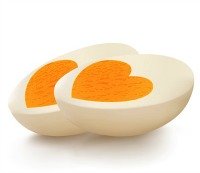
3. YOUR DIET: Even if you spend some time each day in the sun, foods high in D still recommended.
In the past, people ate a lot more foods high in vitamin d and they also spent more time outdoors.
Vitamin D foods include butterfat, eggs, liver, organ meats, fish oils and seafood, particularly shrimp and crab.

But don't think that drinking vitamin-enriched milk or foods will do it! The vitamin-d that's added to milk is not as good as the vitamin- D3 that's recommended as a vitamin supplement.
To get your vitamin-D from milk, you would have to drink 100 glasses to keep from getting deficient.
Since we don’t typically eat these rich foods anymore and stay indoors, experts say that we now need to take this vitamin as a supplement.
Age & Weight Changes How Long Stay Sun Exposure Needed
How long do you need to stay in the sun? How long stay sun vitamin d for best absorption?

How long sit in the sun or be outside depends on 2:
4. YOUR AGE: Normal aging involves a reduction in the production of D3 by sun-exposed skin.
And also, the absorption of vitamin-D from foods and the body's ability to convert this into its active form, D3 also decreases as people get older.
5. YOUR WEIGHT: Supplements, not sunlight, may be necessary for overweight persons because they are less than half as able to utilize vitamin-D3 that’s made through the skin, compared to lean persons.
Since approximately two-thirds of all Americans are overweight or obese, this is a very significant public health problem.
"In obese subjects, oral vitamin-D3 was more bioavailable than D from sunlight exposure.”
(Wortsman J et al. Decreased bioavailability of vitamin-D in obesity. Am J Clin Nut. 72:690-693. 2000.)
Could You Need MUCH More than You Think?
OFFICIAL DOSAGES set in the past were based on what it took to PREVENT RICKETS, so that the Current US Daily Reference Intakes (DRI) for this vitamin are:
Infants 0-12 months, 200 IU (5 micrograms)
Males and females 1-50 years, 200 IU (5 mcg)
51-70 years, 400 IU (10 mcg)
71 years and older, 600 IU (15 mcg)
Pregnant or nursing women, 200 IU (5 mcg)
But new research is showing that EVEN THREE TIMES the DRI for an adult is NOT ENOUGH if a person is not getting adequate sunlight.
These levels are certainly NOT therapeutic levels.
- For instance, it was found that the treatment of rickets generally requires a dose of 1,600 IU/day, and may require a daily dosage of 50,000 to as much as 300,000 IU in resistant cases.
(Eguchi M and Kaibara N, Int Orthop. 3:257-264. 1980).
Some experts are now saying that we need TEN TIMES the DRI amount.

If you are a lifeguard outside, or spend a lot of time in the sun, you do not need to take supplemental D3.
- A number of studies show that a brief full-body dose of noonday summer sun is comparable to taking between 10,000 and 25,000 IU of D3.
Thirty minutes of exposure to noonday summer sun releases 50,000 IU into the blood stream. Humans are designed to tolerate and need large amounts of this vitamin!
Here’s what to take into account:
6. NORTHERN LATITUDE: People living in the northern United States, Canada and northern Europe can't make D3 in winter because the sunlight is too weak.
During the winter in the north, D3 can only be gotten through food and supplements. Compared to the amount that is made in the skin, amounts in food are very low:
A cup of fortified milk has about 100 IU, a typical multivitamin 200 IU, but that typically is not D3, and vitamin-D3 is the active, better form.

7. EVEN IN SUNNY CLIMATES, Symptoms of Vitamin D DEFICIENCY effects have been found, regardless of latitude and season:
- Researchers from US, the Netherlands and UK found that in all regions of the world, more than half of postmenopausal women with the crippling bone disease osteoporosis are deficient in D, regardless of age, latitude or season.
- A significant number of Australians are deficient in the "sunshine vitamin," once thought to be impossible in sunny Australia.
- Even of those who live in Hawaii and were tested for levels of D, and half were deficient!
People at the highest risk include the elderly, especially those who are housebound or in residential care.
Much Higher dosage D Than You Think?

Researchers worry that the recommended intakes or this vitamin are far too low and people may need to be at 4,000 IU a day in winter.
The women in a clinical trial that found that D3 reduced cancer incidence, had been given 1,000 IU a day over a four-year period.
- Many leading researchers personally say they are taking supplements ranging from 1,400 to 5,000 IU a day.
Certainly anyone with a chronic illness would be wise to take such higher doses of D3 because of its newly discovered importance for immune function as well as being needed for the production of hormones.
- A therapeutic dosage for "catching up" is 50,000 IU per week.
Doctors who have all their patients tested for levels of D3 are finding that about 85% of their patients have low levels of the vitamin.
Although there is little agreement about what constitutes too much of this vitamin, most experts agree that amounts up to 2,000 IU a day are safe, while some D researchers say the upper limit should be what humans make when exposed to sunshine, about 10,000 IU a day.
There is also evidence that this vitamin becomes "anti-inflammatory" at a dosage of 2000 IU's per day, so anyone with a chronic condition would be advised to take this amount.
- Not surprising it is considered to the best vitamin for immune system strength, so best not to take chances!
How Much Sun for Health Benefit of Vitamin D?

We hope that our article on the benefits of vitamin D3 has been helpful.
Yes, the experts disagree about what vitamin d dosage is normal. But since there are no vitamin D side effects from a high dosage, it is best to be safe than sorry. Why?
- This vitamin is needed by all the cells of our body. When you have enough the body works well. The symptoms of vitamin D deficiency are varied, and can creep up on us unnoticed.
Not having enough of this vitamin is also associated with hypertensive heart disease, one of the world’s biggest killers.

Hypertension and vitamin d deficiency?
- Vitamin-d helps keep a normal range of blood pressure!
- Dr. Robert Heaney, professor of medicine at Creighton University in Omaha, Nebraska found that people with LOW levels of this vitamin had higher blood pressure, insulin resistance and Syndrome X, leading to diabetes, stroke and heart attack problems.
Adding this vitamin can help prevent hypertension and heart related vitamin d deficiency effects.
We hope you will be able to use the new science about vitamin D deficiency effects, in order to stay or get healthy.
- If you live where there are winters and you do not get much sunshine, you will likely need a higher vitamin d dosage than you think.
Although there are some foods high in vitamin d, it is wise for most people to get extra vitamin d benefits with D3.
Now you can avoid these new found vitamin D deficiency effects and even recover from illness better with a therapeutic dosage for:
- Cancers such as breast cancer, colon cancer, ovarian cancer, prostate cancer, pancreatic cancer, lymphoma, bladder cancer and rectal cancer.
Here's the diseases now listed as having vitamin d deficiency symptoms: Crohns Disease symptoms
- Heart disease, hypertensive heart disease, Multiple Sclerosis, MS, and auto immune diseases such as RA, Rheumatoid Arthritis, Juvenile Diabetes Type 1, Bowel diseases such as Crohns Disease, IBS, as well as obesity and depression.
Crohns Disease symptoms have been turned around by researchers by giving a therapeutic dosage of the sunshine vitamin. Taking high doses can be a Crohns Disease cure!
Best Supplements for Immune System Recommendation:
You may ASK US:
- About the health benefit of vitamin d for your unique situation -- how this vitamin might be a diabetes natural cure and natural cancer cure.
- How researchers used this vitamin for reducing symptoms of
Crohns Disease, an auto immune disease.
- For proven, best supplements for immune system -- to help "re-balance" your immune system for auto immune diseases such as: Crohns disease, Rheumatoid Arthritis, RA, Sjogren's syndrome, Lupus, Multiple Sclerosis, MS, and protect against chemotherapy as a natural cancer cure.
- What about vitamin d and knee arthritis? Certainly add it to your pain medications as one of the best arthritis joint pain home remedies!
Hopefully you are inspired about vitamin-d and cancer treatment! Certainly vitamin d for breast cancer. It strengthens the immune and is likely the best vitamin for immune system help with cancer. Certainly for protection from many diseases.
- This vitamin supplement is inexpensive and easy to take, and could help as a diabetes natural cure, a natural cancer cure and certainly for prevention.
-------------------------------------------------------
Sources for health benefit of vitamin d and vitamin-d deficiency effects:
Go to Health Discoveries HOME PAGE from vitamin D deficiency effects


Recent Articles


-
Natural Blood Pressure Supplement Backed by Science
Apr 13, 24 04:10 PM
Try a natural blood pressure supplement for lowering blood pressure without life long medications. -
Scientists find a Natural Treatment for Parkinsons Disease
Apr 04, 22 10:18 PM
A new treatment for Parkinsons disease? Parkinson's disease is a neuro-degenerative disorder for which no neuro-restorative therapeutic treatment is currently available. The medications typically used… -
Amazon’s Best Beauty Products?
Mar 25, 22 12:00 AM
Finding which beauty product is best for your health has just become easier. Did you know that in 2022 Amazon created the Amazon AWARE line of beauty products that are EWG VERIFIED? This stamp of appr…