Ocular Nutrition: Macular Degeneration Treatment Breakthrough for Aging Eye Problems, Cataracts and Glaucoma

Can ocular nutrition slow or stop aging eye problems?
Vitamins for eyes are being sold everywhere, but here's why they may not be your best help for cataracts, glaucoma or as a natural macular degeneration treatment.
- Here's new science for ocular nutrition to slow aging eye problems
- And a macular degeneration treatment breakthrough of new natural supplements that have been clinically tested.
- New protein anti aging supplements can prevent aging eye problems, and are a macular degeneration treatment that also helps cataracts and improves glaucoma treatment.
First of all, carrots are no longer at the top of the list to prevent macular degeneration, cataracts and glaucoma!
Carrots have been upstaged by broccoli and leafy green vegetables that contain Lutein and Zeaxanthin.
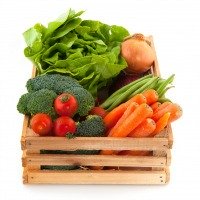
- And.... it turns out that Lutein and Zeaxanthin are better absorbed from your food than from vitamins for eyes, so pills may not be your best
solution.
But there's more! There is an exciting new medical health discovery...
- New science is showing a small PROTECTIVE PROTEIN that helps regenerate
the eyes, to be able to stop AMD, Macular Degeneration in its tracks!
Find out how this can be a glaucoma cure and stop and dissolve cataracts...
- Here's discoveries for stopping aging eye problems and keeping your vision for life:
Ocular Nutrition Update: Spinach Trumps Carrots
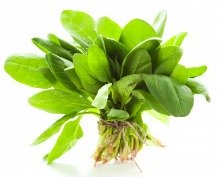
Although carrots are good for your eyes, they're not as powerful as spinach.
- Research is showing there's more protective benefits from the lutein found in spinach than the beta carotene found in carrots.
Lutein and Zeaxanthin are a part of the macular pigment that protects your retina from degenerating.
Zeaxanthin can be made by the body from Lutein, which acts as “natural sunglasses” because it protects from radiation damage by acting as an optical filter.
Zeaxanthin also helps protect the cells in the macula from being damaged by light and free radical damage.
....BUT, just taking these vitamins for eyes may NOT protect you:
Take Vitamins for Eyes or Green Veggies?
Here's why Lutein pills are still NOT the best choice! Why?
Although lutein supplements can help somewhat, eating MORE leafy GREEN vegetables has many MORE overall health benefits, and protects your eyes best to prevent Macular Degeneration, cataracts, glaucoma.
You get Lutein in your diet by eating lots of, you guessed it:
LEAFY GREEN VEGETABLES:
• kale
• spinach
• collards
• Swiss Chard
• Romaine Lettuce
• Beet and Mustard Greens
• Endive
Also rich in Lutein are:
• Egg yolks
• red peppers
• corn
• beetroots
• okra
• leeks
• celery
• Brussels sprouts
• Pumpkin
• peas
And, you guessed it as well that a typical North American diet doesn't have enough green VEGETABLES to prevent macular degeneration causes, nor stop glaucoma and cataracts.
- Fortunately, new ocular nutrition discoveries -- a natural macular degeneration treatment breakthrough that protect the eye for cataracts and glaucoma treatment as well!
Why Lutein in Your Food, not Vitamins for Eyes?
FOOD IS BETTER than pills!
Eat more vegetables as a first defense for aging eye problems. Why?
Scientists found that high doses of these beta carotene supplements can have varying and unpredictable effects depending on a person’s intake of other antioxidants.
- HIGH DOSES of the supplement seems to DECREASE the absorption of LUTEIN, the yellow pigment or carotenoid that you take to prevent Macular Degeneration.
Instead, in FOOD, these carotenoids enhance each other!
For instance, the LUTEIN found in foods such as:
- dark leafy greens
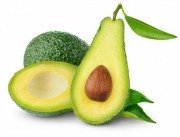
- avocados
- kiwi
defends against aging eye problems better when eaten in salads together with tomatoes that are rich in lycopene.
Natural Macular Degeneration Treatment Breakthrough!
Fortunately, scientists have also found a PROTECTIVE MOLECULE that's a Macular Degeneration treatment breakthrough.
- It was over 100 years ago that it was discovered that healthy eyes had a HIGH level of a molecule called glutathione, whereas eyes that had problems had LOW levels of this PROTECTIVE molecule.
- But it was not medically known how to REPLENISH this molecule in your eyes! Taking a glutathione pill is not effective.
Because taking a pill did not work, doctors don't know about increasing glutathione for better eyes!
- There are now protein anti aging supplements PROVEN to boost glutathione levels throughout the body, including in the eyes.
There is now a medical protein that stimulates your eyes to make MORE glutathione for best protection.
- Such proven protein anti aging supplements can now STOP degeneration IN ITS TRACKS, according to doctors like Dr. J. Gutman.
DR. JIMMY GUTMAN, MD, FACEP, is noted Glutathione expert and lecturer who explains the role of glutathione for aging eye problems.
Medical science knows that this molecule is PROTECTIVE of ALL CELLS! And that it is also key in preventing and helping:
- Macular Degeneration
- Glaucoma
- Cataracts
LOW levels of glutathione are typical of these diseases! IMPROVING glutathione with a proven supplement, he says, can indeed HALT the PROGRESS, and in many cases reverse these conditions.
- Unfortunately there is NO PILL for raising glutathione -- pills as GSH supplements NOT effective.
Fortunately, a Macular Degeneration treatment breakthrough is now available to correct this deficiency, with a protein supplement that's been proven to re-build glutathione levels, says Dr. Gutman.
Ask Us about Stopping Macular Degeneration:
You may ASK US:
- How others have been helped by protein anti aging supplements that improve glutathione levels to help their eyesight.
- Medical studies studies relating LOW glutathione to cause Macular Degeneration AMD, glaucoma and cataracts.
- Dr. Gutman's recommendation for a proven protein supplement that is listed the USA Physician's Desk Reference.
Macular Degeneration Treatment Breakthrough for You?

Macular degeneration is a progressive loss of sight due to breakdown of the macula - the portion of the retina responsible for fine vision.
- Age-related macular degeneration (ARMD) is a leading cause of visual loss in people over 65.
Now you can correct underlying Macular Degeneration causes!
Genetics can make you susceptible, and contributing factors are smoking and atherosclerosis which can make it worse.
- Macular degeneration is thought to result from the cumulative damage of free radicals primarily released by exposure to ultraviolet (UV) sunlight. But other sources of oxidative stress also play a role. How?
Because elderly people generally have low glutathione levels, they are predisposed to oxidative damage, making ocular nutrition very important.
- Researchers have shown that low glutathione levels go along with poor eye health in patients with Macular Degeneration compared to normal control groups.
Experiments have been conducted to test glutathione's antioxidant function in the whole body and in the eyes of patients with Macular Degeneration.
And yes, S.M. Cohen and his team at the University of California (Davis) found significantly altered GSH activity in blood samples of macular degeneration patients.
- It appears that high glutathione levels correspond to healthy eyes and points to the key role for glutathione in the protection against or delay of this disease through ocular nutrition, or food for the eyes.
Although scientists studying the eye have long recognized the critical importance of glutathione as an antioxidant for ocular nutrition...
It is only recently that practical ways to increase glutathione have become available for the prevention and treatment of disorders like Macular Degeneration.
- You may ASK US for a recommendation for proven protein supplements to re-build glutathione for aging eye problems.
Protein supplements proven to increase glutathione, are a Macular Degeneraton treatment breakthrough.
Natural Glaucoma Treatment for Glaucoma Causes

What are the best natural remedies for glaucoma treatment?
- Here's about glaucoma causes for a possible glaucoma cure for you:
Glaucoma is a serious condition in which fluid pressure within the eye rises.
A certain amount of pressure is necessary to maintain the shape of the eyeball. Too much pressure compresses and obstructs the small blood vessels within the eye. This damages the surrounding areas, most importantly the optic nerve.
Glaucoma is one of the leading causes of visual loss.
It becomes more common as we age, runs in certain families, and is often seen in conjunction with diabetes, hypertension (high blood pressure) and severe myopia (nearsightedness).
Traditional therapy aims to relieve the pressure in the eye either surgically or with drugs.
The Russians A.I. Bunin, A.A. Filina and V.P. Erichev measured GSH levels in the eyes of hundreds of patients undergoing surgery for all sorts of reasons.
- The lowest glutathione levels were found among cataracts patients and in patients with open angle glaucoma.
- They noticed this fall even at the earliest stages of the disease and suggested that improving glutathione levels would help prevent or delay this process.
A Harvard University group investigated different glutathione-related compounds to increase the outflow of fluid from the eye and reduce pressure within it.
- They found that the protein cysteine stimulated glutathione production and benefited eye pressure and even lessened the side effects of the drug.
You'll want to start by taking a cysteine-rich medical protein supplement to correct this!
Supplements for Stopping Cataracts

Aging eye problems: Cure for cataracts?
Some of the earliest studies with glutathione focused on its role in preventing cataracts, and glutathione is relatively well known among ophthalmologists.
Cataract is a clouding (opacification) that takes place in the lens of the eye.
It is the leading cause of morbidity and functional
impairment among the elderly and leads to more than one million
operations per year in the United States. But with better ocular nutrition, this can be prevented!
- Oxidative stress plays a role in the aging of the lens, so antioxidants are an important defense against cataracts.
The researcher M.A. Babizhaev in Russia measured the breakdown products of lipid peroxidation as cataracts developed. He found that as the cataract worsened, oxidative stress increased.
- An Italian team at the University of Bari went a step further and demonstrated that in people with cataracts the loss of glutathione paralleled the increase in oxidative breakdown products.
It is known that cataract in humans usually shows significant, extensive oxidation of lens proteins. With this in mind, researchers experimented on cataracts by stimulating them with various chemicals.
- They showed that cataract formation could be delayed or prevented by elevated glutathione levels.
Clearly, the key defense in the lens against oxidation is glutathione, and this can be done with ocular nutrition.
The legendary glutathione expert, Alton Meister and a team at Cornell University in New York, used the drug BSO to DEPLETE glutathione levels in the eyes of laboratory animals.
The animals subsequently developed cataracts.
- Meister's team was then able to PREVENT cataract formation by re-establishing glutathione levels and said that this would be effective in delaying cataract formation.
Fortunately, there is now a clinically proven way to replenish your glutathione levels with a medical protein that's proven to do so!
Aging Eye Problems: Cataracts Improved

Edgar is happy to have found a natural cataract cure!
Edgar loved to paint. Now retired, he could pursue this hobby full time if he so pleased.
But, over the previous few years, his wife had commented that the color in his landscapes was too loud. At first he did not believe he had changed his techniques, but a side-by-side comparison with earlier works proved him wrong.
Still, he felt the colors in previous paintings were "weak". Then a routine check revealed CATARACTS. One eye required surgery, the other was "not yet ripe".
- After surgery he eventually recovered excellent vision, but post-operative complications left him hesitant about having the same treatment on the other eye.
His wife did some homework about ocular nutrition and learned about improving glutathione for cataracts.
She started him on a medical protein proven to increase glutathione levels.
- One year later, his ophthalmologist was baffled by the unusual observation that the cataract was less dense.
He and his wife are very happy to have found an effective protective ocular nutrition that helps his overall health as well.
Ask Us: About stopping Cataracts, Macular Degeneration or Glaucoma
You may ASK US:
- How people are improving their eyesight by using proven protein anti aging supplements that re-build glutathione levels in the eyes.
- Studies showing Macular Degeneration causes to include a deficiency in a the protective molecule called glutathione, GSH, as well as for glaucoma and cataracts.
What's Good for the Heart protects the Eyes
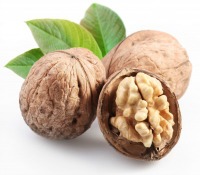
Good Ocular Nutrition and eating Heart Healthy are one and the same, say scientists. Here's more foods to prevent Macular Degeneration:
- Regularly eating fish, nuts, olive oil and other foods containing omega-three fatty acids and avoiding trans fats appears to be associated with a lower risk for the eye disease age-related macular degeneration.
(May 2009 Archives of Ophthalmology, one of the JAMA/Archives journals.)
These fatty acids may protect the eyes by preventing the buildup of plaque in the arteries or reducing inflammation, blood vessel formation and oxygen-related cell damage in the retina.
- Eating one to two servings of nuts per week was associated with
a 35 percent lower risk of early AMD. Now that's easy for good ocular nutrition!
(Jennifer S.L. Tan, M.B.B.S., B.E., of Westmead Hospital, University of Sydney, Australia)
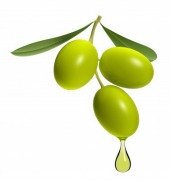
- Olive oil intake (100 milliliters or more per week vs. less than 1 milliliter per week) was associated with decreased prevalence of late AMD.
People eating more trans fats (found in baked goods etc.) and
linoleic acid, an unsaturated omega-6 fatty acid found primarily in
vegetable oils, had higher rates of AMD. The best ocular nutrition and heart health go hand in hand!
"Our findings suggest that people who follow a diet LOW in processed foods but HIGH in omega-three fatty acids and olive oil might enjoy protection from developing AMD," the authors conclude.
(Elaine W.-T. Chong, M.D., Ph.D., M.Epi., of the Centre for Eye Research Australia
Foods to Prevent and Stop Macular Degeneration that's Advanced

Yes, ocular nutrition protects your eyes!
Omega 3 fatty acids (found in oily fish) will likely slow the DEVELOPEMENT or PROGRESSION of AMD.
- A Johns Hopkins study of 2,500 adults aged 65 to 84, found that those who ate one or more servings of oily fish each week were 60 % LESS LIKELY to have ADVANCED AMD than those who consumed less than one serving per week.
(Bonnielin Swenor researcher)
Eating Broccoli's Like Wearing Sunglasses?

Yes, broccoli protects the eyes against UV damage! How?
- Sulphoraphane, a compound found in broccoli and broccoli sprouts, has been found to protect the retina of the eye against oxidative damage.
Researchers Goa and Talalay at Johns Hopkins University say that sulphoraphane could have significant benefits over the category leader in ocular nutrition, lutein, because:
1. Antioxidants such as vitamin C and E, and antioxidant carotenoids like lutein react with free radicals directly, but once they have reacted, they have to be regenerated.
2. But sulphoraphane does not work directly on free radicals. Instead, it up-regulates or boosts the defense system, letting the body itself fight free radicals.
Both Sulphoraphane and Glutathione have the following advantages over antioxidants:
- These compounds not only protect the eyes but also every part of the body.
- They can also last longer in the body -- for between four to five days in the cells.
Research on sulphoraphane is still in the early stages, and doses have not been established, although broccoli sprouts have been found to provide 20 times more than adult broccoli.
To prevent macular degeneration, you'll want to get broccoli sprouts at your favorite health food store, and add them to salads!
Best Natural Macular Degeneration Treatment, Cataracts, Glaucoma Treatment

We hope that we've been able to inspire you to prevent macular degeneration with the best ocular nutrition -- food and protein supplements for macular degeneration, cataracts or glaucoma treatment.
- You may ASK US for a personal recommendation for the best protein anti aging supplements and foods for you, to help protect your sight.
We hope we've persuaded you not to just rely on taking pills as vitamins for eyes as a macular degeneration natural treatment.
- For glaucoma, you'll want eye drops or surgery as a gluacoma treatment, but you can protect your eyes for a natural glaucoma cure.
Yes, Glaucoma causes can be helped with ocular nutrition!
And, science has indeed come to the rescue with protein supplements for macular degeneration that, if not a macular degeneration cure, can certainly STOP the degeneration.
- We hope you'll breathe a sigh of relief about keeping your precious vision, and even restoring it!
We hope that you will get to like eating lots of spinach, and that you will also add the best proven protein anti aging supplements for cataracts, a macular degeneration cure, and for help with your glaucoma treatment.
You will hopefully no longer have to worry about aging eye problems!
Ocular Nutrition: Macular Degeneration Treatment Breakthrough with Anti Aging Supplements for Cataracts, Glaucoma Treatment -- Aging Eye Problems


Recent Articles


-
Natural Blood Pressure Supplement Backed by Science
Apr 13, 24 04:10 PM
Try a natural blood pressure supplement for lowering blood pressure without life long medications. -
Scientists find a Natural Treatment for Parkinsons Disease
Apr 04, 22 10:18 PM
A new treatment for Parkinsons disease? Parkinson's disease is a neuro-degenerative disorder for which no neuro-restorative therapeutic treatment is currently available. The medications typically used… -
Amazon’s Best Beauty Products?
Mar 25, 22 12:00 AM
Finding which beauty product is best for your health has just become easier. Did you know that in 2022 Amazon created the Amazon AWARE line of beauty products that are EWG VERIFIED? This stamp of appr…