Help for Parkinsons Symptoms of Insomnia, Anxiety, Shaking of Late Parkinsons Stages?
Parkinsons symptoms, like a Parkinson tremor affect millions of people worldwide.
YES ...Parkinson treatment medications help the early symptoms of Parkinson: loss of movement, stiffness and tremors, with dopamine replacement medication.
- BUT...with later Parkinsons stages, many problems arise because of the Parkinson treatment meds themselves, and can make life miserable for both patient and caregivers.
Fortunately, many of the side effects of Parkinsons treatment meds can now be prevented or helped by exciting natural neuro protective discoveries!
Parkinsons Symptoms: Insomnia, Moods & Anxiety
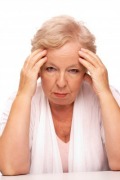
What are the symptoms of late Parkinsons stages?
The Parkinson tremor is recognized by all. But non-movement Parkinson disease symptoms can also seriously decrease the quality of life, and should be part of a care plan.
Fortunately, these symptoms can often be treated with natural supplements or physical therapy. These symptoms will vary from person to person and are impossible to predict.
For someone with Parkinson disease symptoms, anxious and depressive symptoms have a different meaning, and need to be assessed on a regular basis for the best quality of life. Why?
- Researchers found that ANXIETY SCORES were the biggest predictors of LOSS OF QUALITY OF LIFE. (J Neuropsychiatry Clin Neurosci. 2009 Fall;21(4):413-9.)
Best to use natural supplements for Parkinsons symptoms of insomnia or anxiety. Why?
Adding more drugs will increase the TOXIC LOAD and worsen Parkinsons symptoms, but this can be counter acted with a Parkinsons diet and neuro-protective supplements.
- Here's medically proven natural supplements to help detox and rejuvenate the brain:
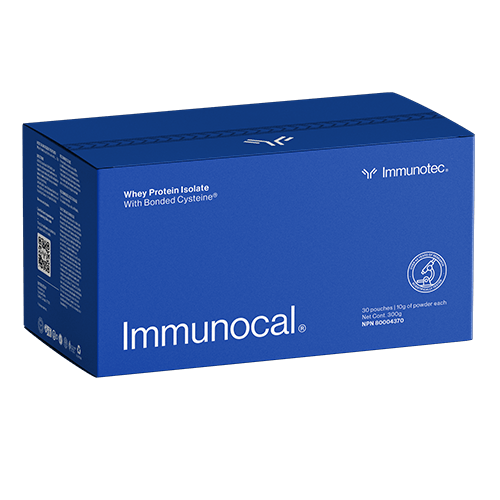 Medically validated brain booster supplements: Immunocal, Immunocal Platinum
ASK US about NATURAL, recommended supplements for early or late Parkinsons stages:
Side effects of Parkinson Treatment Meds: Compulsions

What to expect for drug induced Parkinsons symptoms?
Impulse control disorders are related Parkinson treatment medications such as Piribedil, and these include unpleasant and annoying character changes:
• pathological gambling
• hypersexuality
• punding, e.g. assembling and disassembling, collecting, or sorting household objects
• pathological use of the Internet
• restless leg syndrome
Repetitive compulsive behaviors are reported so often as Parkinson's disease symptoms, that they are officially considered to be a result of the Parkinsons meds:
“Pramipexole has been mainly related to these compulsions, although these disorders may occur when any dopaminergic agonist-based therapy is administered.”
(Impulse Control Disorder and Piribedil: Clin Neuropharmacol. 2009 Dec 3.)
Helping Parkinson Disease Symptoms of Shaking

Involuntary shaking of later Parkinsons stages is caused by the Parkinsons meds themselves, but this can now be helped!
Even for late Parkinsons stages, medical treatment is best accompanied by a Parkinsons diet high in fruits and vegetables (antioxidants) and neuro-protective supplements for the brain and nerves, so as to improve QUALITY OF LIFE.
- The ideal therapy is one which PREVENTS neuro degeneration in the brain, thereby halting the progression of debilitating disease symptoms, say researchers at the Department of Neurological Sciences, Rush University Medical Center, Chicago, IL, USA. (Prog Brain Res. 2009;175:201-16)
- Certainly, stem cells and gene therapy may be promising in the future, according to the Lancet, (2009 Aug 29;374(9691):684), but it is crucial to lessen side effects of the Parkinsons medications with diet, exercise and supplements.
How best to counteract these deficiencies?
Ask Us about Best Brain Health Supplements:
Best protection & detox brain booster supplementYou may ASK US about:
- IMMUNOCAL, which has been shown to be neuro-protecitive, and replenishes a glutathione deficiency. This can help resolve many symptoms and shaking.
- Ask to see the science, and how people have been helped with their Parkinsons symptoms!
1. Supplements for re-building LOW glutathione that can resolve many symptoms and shaking.
2. You may ASK US for studies about other deficiencies that have been linked to Parkinsons.
For instance, there are reported of LOW zinc and Vitamin C, which when replenished, resolved movement disorders within 24 hours!
Insomnia, Moods, Constipation and Anxiety of later Parkinsons Stages
Here's what tends to make peoples' lives miserable even though they are not actually Parkinson's disease symptoms:
Parkinsons DEMENTIA:
Cognitive Impairment not really part of Parkinsons, but people may be slower in thinking and have some memory loss. This area is still being debated and studied.
MOOD Disorders & DEPRESSION:
Parkinson treatment medications may increase depression even though it may not be severe. Some people become more pessimistic or irritable.
Some people do become fearful and insecure.This stands to reason, because they need reassurance about coping with new situations. So they will likely not want to travel, go to parties, or socialize with friends.
CONSTIPATION:
Constipation and urinary problems are typical because these are regulated by the autonomic nervous system which is affected, as Parkinsons Disease symptoms.
But constipation can also be caused by inactivity, eating a poor diet, or drinking too little fluid.
SWALLOWING & CHEWING problems:
The muscles used in swallowing may work less efficiently in later stages of the disease, so best to add neuro-protective supplements in a drink!
INSOMNIA:
Sleep problems are among Parkinsons symptoms. People have trouble staying asleep at night, have a restless sleep or even restless legs, nightmares and emotional dreams. Some have drowsiness during the day.
These could be signs of Parkinson disease or be due to the Parkinson treatment meds -- drug induced Parkinsons.
More than Parkinson Tremor: Best Help for Late Parkinsons Stages

Many of the symptoms of late Parkinsons stages can be still helped with an antioxidant-rich Parkinsons diet and by adding brain health supplements.
You may ASK US about natural supplements, including:
- natural stress relief pills that can be dissolved in a drink
These can improve Parkinsons symptoms AND quality of life both to the PATIENT and to the CAREGIVER!



Parkinson's: why is Mike's neurologist happy for him?

What natural supplement is Mike's neurologist recommending for Parkinson's?
Recent Articles


-
Natural Blood Pressure Supplement Backed by Science
Apr 13, 24 04:10 PM
Try a natural blood pressure supplement for lowering blood pressure without life long medications. -
Scientists find a Natural Treatment for Parkinsons Disease
Apr 04, 22 10:18 PM
A new treatment for Parkinsons disease? Parkinson's disease is a neuro-degenerative disorder for which no neuro-restorative therapeutic treatment is currently available. The medications typically used… -
Amazon’s Best Beauty Products?
Mar 25, 22 12:00 AM
Finding which beauty product is best for your health has just become easier. Did you know that in 2022 Amazon created the Amazon AWARE line of beauty products that are EWG VERIFIED? This stamp of appr…