Memory Loss: Why Diet and
Brain Health Supplements?

How best to improve memory loss?
Want to avoid fuzzy thinking and dementia at any age?
Want to stay sharp regardless of your age and do more than just brain teasers -- they may be fun, but don't really help.
- Here we've posted research for what's best to DO for your brain - diet and best brain health supplements.
But first, here's what what to check first:
- To improve memory loss, the first suspect on your list is your high cholesterol medication. Why?
High Cholesterol Medications and Forgetting?
You may have to think hard about ever high cholesterol medication -- the most lucrative and most prescribed drugs in the world. Why?
Statins may hurt your brain and ability to think and remember. How?
- Ever heard of Lipitor and memory loss?
Turns out that cognitive effects are the second most common problem after muscle aches reported by patients to the Statin Effects Study at the U. of California, Sandiego.
Statins are high cholesterol medications such as Lipitor, Simvastatin and Zocor.
- Lowering high cholesterol may be most important for middle aged men who are under a lot of stress, but these medications can have negative effects for both men and women as they get older. Why?
The brain is largely cholesterol, and much of this is in the myelin sheaths that insulate nerve cells and the synapses that transmit nerve impulses.
Cholesterol is a fat that is required by the brain to function properly as we get older!
(The UCSD Statin Study Group, headed by Beatrice A. Golomb, MD, PhD)
Dementia Increases with LOW Cholesterol!

Heard of Lipitor loss memory problems like amnesia Lipitor?
Some doctors think that high cholesterol medications can:
- Slow the connections in the brain having to do with thought and the ability to remember!
This effect has already been reported by research:
- People in their 50’s and 60’s with LOW cholesterol (HDL) had 27 to 53% higher risk of memory loss compared to those with HIGH cholesterol in a British Study of 3,700 people.
The found that total levels of cholesterol and fats in the blood did NOT have an association with memory loss in this study.
- Only people with LOW HDL or “good” cholesterol had more thinking problems and memory loss.
Typically, this early memory loss often precedes the development of dementia in the elderly -- vascular dementia as well as Alzheimers Disease symptoms.
What is the explanation for improving memory loss?
- Researchers say that HDL cholesterol may in fact ward off formation of the beta-amyloid plaques characteristic of Alzheimers Disease, and the blockages associated with vascular dementia.
Scientists are working to help us stop these risk factors because of the “dementia time bomb” due to the fact that the growing age group of people of 65 plus.
(A. Singh-Manoux, French National Institute for Health and Medical Research and the University College, London.)
How are YOUR Medications Affecting Your Brain?
Anecdotes linking statins to thinking and the ability to remember are rampant, although the official effects of prescribed statin drugs such as Lipitor and Zocor, Simvastatin only mention:
- Headache
- Digestive upset
- Liver dysfunction
- Muscle pain
Cognitive side effects such as troubles remembering and fuzzy thinking typical of dementia is not yet on the patient information sheet for Lipitor, the popular high cholesterol medication.
Unwanted experiences include:
- memory loss and thinking problems
- muscle pain
- muscle weakness
- fatigue
- neuropathy
- mood and personality changes
You will want to guard against vascular dementia symptoms as well well test Alzheimer early symptoms:
- Easy Alzheimer Test to turn around Early Symptoms of Dementia
Amnesia & Extreme Memory Loss: Lipitor Side Effects?
Prominent doctors have reported cases of Lipitor side effects where Lipitor was “making women stupid.”
- Dr Orli Etington, vice chairman of medicine at New York Presbyterian Hospital, has had at least two dozen patients in their 40’s who became unable to recall words or to concentrate after taking Lipitor.
Dr. Etington said that while tests revealed nothing wrong, the symptoms vanished when this woman stopped taking Lipitor. When the patient resumed taking Lipitor, symptoms returned.
- Specialists such as Professor G. Devi report having had at least six patients whose mental problems were traceable to statins.
(Dr. Gayatri Devi, associate professor of neurology and psychiatry at the New York University School of medicine)
Usually changes start to occur within six weeks of starting the statin, and their cognitive abilities return quickly when people go off them.
- Unfortunately, people typically do not suspect their heart meds when they experience cognative problems!
Instead, when they can become forgetful, those around them often assume that they have Alzheimers Disease symptoms.
For instance, a San Diego woman, aged 69, became so forgetful that her daughter began to find Alzheimers care for her.
- However, after stopping taking the statin Lipitor, her mother was back to normal in eight days!
Usually, neither a family doctor nor family members suspect the medications people are taking, to be robbing them of their mental capacity – instead they simply blame their age.
- Fortunately you can use diet and brain health supplements to stay sharp:
“My Father is Playing Bridge Again After Stopping His Heart Meds”
Margaret's father had his meds reduced, with exciting results:
"Our family has recently witnessed the remarkable improvement in our 88-year-old father when an astute specialist in internal medicine pulled him off three of the medications he'd been prescribed by his family doctor (high blood pressure medication, high cholesterol medication, and a prescription nasal spray).
In four days his blood sugar dropped from 25 to 7, his dizziness was gone, he stopped falling down at night, and his appetite was back.
- After two weeks, his mental ability to remember improved and he was back playing bridge again!
Margaret is now reading Dr. Dennis McCullough's book, "My Mother, Your Mother".
Dr. McCullough's experience has been that elders later in life do better on almost no medication!
What’s Worse Than HIGH Cholesterol?
- Cholesterol is no longer considered the villain by scientists.
They are recognizing that you need cholesterol for your brain – and that "higher" HDL cholesterol keeps your brain going!
So what’s worse?
There are two other, stronger predictors of heart disease and of an eventual heart attack:
What's wrong with HIGH blood levels of C-reactive proteins (CRP)?
- These "reactive proteins" damage artery walls setting the stage for cholesterol deposits and heart disease in the first place.
C-Reactive Proteins – are the inflammatory markers that precede coronary artery disease.
Over the past 10 years, researchers have found that runaway inflammation in most major health problems.
- These have in fact been found to play an early role in damaging artery walls and SETTING THE STAGE for cholesterol deposits and heart disease.
A major study in The New England Journal of Medicine, reported that those with high CRP levels were four and a half times more likely to have a heart attack!
- The study concluded that INFLAMMATION, or elevated CRP, is a more accurate predictor of heart attack risk than cholesterol.
- High CPR's is an Alzheimer Test for Early Symptoms of Dementia
Best Brain Foods to Improve Memory Loss?

Here's the latest research on brain food:
- Eating more fruit and vegetable -- especially FRUIT -- can protect your ability to think and remember, as you age.
Better cognitive performance has already been linked to a diet with lots of berries, spinach, fish, fruit and vegetables.
- Researchers found that people who ate more fruit and vegetables every day had BETTER VERBAL MEMORY.
The ability to remember words and their meaning is especially vulnerable to the effects of aging and Alzheimers Disease, they are finding.
- Being able to remember what's been said was also associated with a higher
intake of vitamins C and E from foods NOT from supplements.
- Neither was it associated with higher intake of vegetables.
Vitamins C and E act as antioxidants, protecting brain cells from damage caused by free radicals.
Source: American Journal of Clinical Nutrition. A study of 1,533 healthy men and women, aged 45 to 60 who for 13 years were checked for their diet and cognitive function -- ability to remember.
Which Vitamins Best Brain Food to Improve Memory?

Aim for 7 to 10 servings of fruit and vegetables combined, daily:
- One serving = a medium sized fruit, 1/2 cup of raw or cooked vegetables, one cup of salad or 1/2 cup of 100% vegetable or fruit juice.
- Make sure you eat VITAMIN C rich PRODUCE
This antioxidant protects brain tissues from oxidative damage and inflammation, which increase the risk of cognitive impairment and of Alzheimers Disease.
Include at least 3 servings of fruit and veg high in vitamin C and here are the best:

• cantaloupe
• grapefruit
• kiwi
• mango
• oranges
• papaya
• pineapple
• strawberries

Vitamin C-rich vegetables include
• broccoli
• Brussels sprouts
• cabbage
• cauliflower
• green and red peppers
• kale
• tomato juice
VITAMIN E-RICH FOODS:
This nutrient helps shield brain cell membranes from harmful free radicals.
Vitamin E is thought to lessen the toxic effects of beta-amyloid, a sticky protein linked to Alzheimers Disease.
The best sources are:
• wheat germ oil
• sunflower seeds
• safflower oil
• sunflower oil
• grape seed oil
• almonds
• hazelnuts
• mixed nuts
• frozen spinach
• beet greens
• canola oil
• papaya

BERRIES AND WALNUTS:
These contain polyphenols, that protect brain cells by fighting free radical damage, reducing inflammation and increasing the clearance of toxins and toxic proteins that build up as you age.
Stopping Brain Shrinkage after Age 40!

Turns out that eating junk food shrinks your brain, and so does lack of exercise!
- Walking at least six miles a week may be one thing people can do to keep their brains from shrinking and fight off dementia, U.S. researchers found.
"Brain size shrinks in late adulthood, which can cause memory problems. Our results should encourage well-designed trials of physical exercise in older adults as a promising approach for preventing dementia and Alzheimer's disease,"
(Kirk Erickson of the University of Pittsburgh,the journal Neurology)
This study of nearly 300 people in Pittsburgh who kept track of how much they walked each week showed that those who walked at least six miles had less age-related brain shrinkage than people who walked less.
- The research team found that people who walked roughly six to nine miles a week HALVED THEIR RISK OF DEVELOPING MEMORY PROBLEMS!
Alzheimer's disease, the most common form of dementia, slowly kills off brain cells, and activities like walking have been shown to BUILD BRAIN VOLUME.
"Our results are in line with data that aerobic activity induces a host of cellular cascades that could conceivably increase gray matter volume," they explained!
Ask Us for Best Brain Health Supplements
Need medically proven help guarding against memory loss?
There are NEUTRACEUTICAL protective brain health supplements you may want to try:
Here's natural substances proven by science:
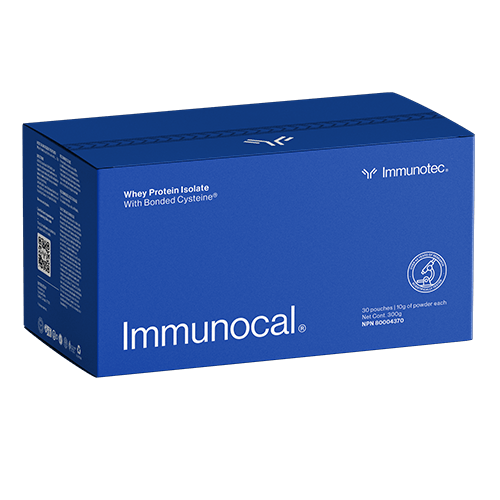
1) Safe medical neuro-protective proteins that protect against nerve cell death in the brain:
2) An l arginine nitric oxide supplement to improve circulation in the brain to help against vascular dementia and Alzheimers Disease symptoms.
- You may ASK US for the most appropriate brain booster supplements for your situation:
Stop Memory Loss from High Cholesterol Medication: Improve Memory Loss with Diet & Natural Brain Health Supplements?


Recent Articles


-
Natural Blood Pressure Supplement Backed by Science
Apr 13, 24 04:10 PM
Try a natural blood pressure supplement for lowering blood pressure without life long medications. -
Scientists find a Natural Treatment for Parkinsons Disease
Apr 04, 22 10:18 PM
A new treatment for Parkinsons disease? Parkinson's disease is a neuro-degenerative disorder for which no neuro-restorative therapeutic treatment is currently available. The medications typically used… -
Amazon’s Best Beauty Products?
Mar 25, 22 12:00 AM
Finding which beauty product is best for your health has just become easier. Did you know that in 2022 Amazon created the Amazon AWARE line of beauty products that are EWG VERIFIED? This stamp of appr…