Underlying Cause of High Cholesterol for
High Cholesterol Natural Treatments

Discoveries of the underlying cause of high cholesterol is bringing better options for natural heart supplements that work.
Heart disease has long been understood as being caused by risk factors such as high cholesterol, high blood pressure, overweight and smoking.
This is changing. Why?
- A bigger picture has emerged, because these risks have not always added up!
High cholesterol has certainly been over rated as a single indicator. Why?
- Not everyone who has high cholesterol will have a stroke or heart attack, and....
- Not everyone who has a stroke or heart attack has high cholesterol... in fact, half of the people don't have high cholesterol!
This has led scientists to ask this question:
Why do Half of All Heart Attacks & Strokes in the U.S. Happen To Middle-Aged People With Normal Cholesterol Readings?

What is this bigger picture about the underlying cause of high cholesterol and heart disease?
"Over the next 10 years, we'll be rewriting the rules for the detection and treatment of heart disease," says Richard Stein of the Weill Cornell School of Medicine in New York. Why?
"You can tell a patient he did great on a conventional test, and a week later he drops dead," says Eric Topol of the Cleveland Clinic, because "There's always been something missing."
What has been missing for high cholesterol advice?
- Inflammation, as shown by the amount of "C-reactive proteins" in the blood, has been found to be a strong indicator of future heart disease.
Cardiologist Mora Samia, MD, at Brigham ad Women’s Holspital in Boston, checked 34 different “biomarkers” in women who had no sign of heart disease.
- The “biomarker” that gave the most clues about future heart disease was peoples’ level of C-reactive proteins, or CRP, with high levels leading to heart problems.
Why CRP's and is your doctor taking blood tests to measure them?
CRP's show INFLAMMATION.
Other studies are have shown that C-reactive protein can be an unreliable measure of heart attack risk, especially in people with a positive troponin test, but it is nevertheless a strong warning for the need to bring down inflammation!
- Scientist agree that keeping your inflammation levels LOW is one of the best things you can do to PROTECT against aging and disease!
Scientists are coming to the conclusion that aging is in fact a "low level of inflammation" throughout our bodies.
Know the Underlying Cause of High Cholesterol for Better Protection
Doctors are indeed begun to zero in on a new set of RISK FACTORS:
1) One of these is for the PRESENCE of an enzyme called MPO.
New tests will soon measures the enzyme myeloperoxidase, or MPO, made in white blood cells.
The enzyme is produced when ARTERIES ARE INFLAMED and have rupture-prone fatty deposits.
- The new tests for MPO are experimental and will not become widely available without more testing, says Teri Manolio of the National Heart, Lung and Blood Institute.

2) Another new risk factor is the ABSENCE of, or DEPLETION of an enzyme called glutathione.
Researchers at Gutenberg University in Mainz, Germany, showed for the first time that LOW LEVELS of the enzyme glutathione indicates a coming heart attack.
American scientists have also identified glutathione levels as a new predictor.
- They are saying that LOW glutathione levels lead to heart attacks and strokes:
The New England Journal of Medicine published a study saying that the higher your glutathione levels, the less likely you are to have a heart attack or a stroke.
It appears that HIGH glutathione levels are PROTECTIVE against cardiovascular disease.
- The American Heart Association journal Stroke has also reported research saying that "higher levels of plasma glutathione (GSH) are associated with a lower incidence of cardiovascular disease," particularly CEREBRAL SMALL VESSEL disease associated with strokes.
Best High Cholesterol Natural Treatments

Get peace of mind by solving the underlying cause of high cholesterol.
Where best to start?
Replenishing your body's protective glutathione levels has been shown to be one of the most protective! Why? It covers more of the bases!
- Glutathione is the body’s Master Antioxidant -- which STOPS the OXIDATION of FATS by making glutathione peroxidase, which keeps the fats in a SAFER state.
1) Glutathione works by stopping the oxidation of fats and thereby keeping them in a safer state!
- When fats become oxidized they become stickier end up gumming up the arteries, so the presence of glutathione can prevent this from happening.
2) When you raise glutathione naturally, you can lower your cholesterol by stimulating an enzyme called cholesterol carboxylate, and this also improves....
3) HIGH BLOOD PRESSURE REMEDY: Protein isolates with glutathione pre-cursors have been shown to act as ace inhibitors -- just like the meds!
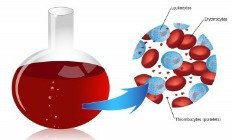
4) Protein isolates also acts like aspirin to prevent blood clots -- by decreasing "platelet aggregation."
5) Glutathione has also found to be key substance in our body that REGULATES the immune system as well as inflammation.
Best Heart Heath Supplements

Best for underlying cause of high cholesterol?
Unfortunately, you cannot just take a glutathione pill. But there is, a medically proven glutathione-boosting supplement:
You may ASK US for a personal recommendation:
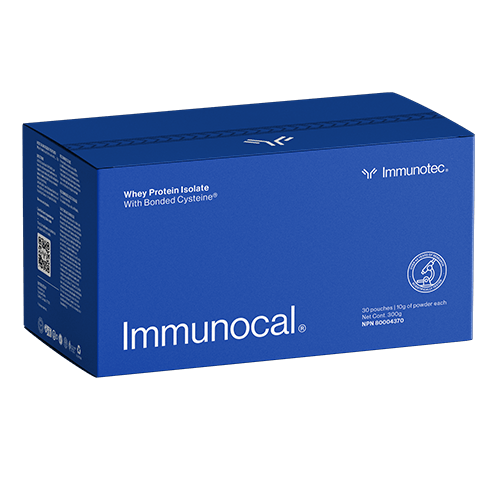
- Using a proven glutathione-building protein supplement called IMMUNOCAL
- Reports from people who have lowered their cholesterol, high blood pressure and improved their health with this glutathione enhancing protein
Why Add Natural Heart Supplements?
Best protection against underlying cause of high cholesterol?
1) You may want to also take IMMUNE-BALANCING supplements:
Some scientists and cardiologists are pointing to an underlying immune reaction that causes plaque to build up in the arteries that eventually leads to a heart attack or a stroke.
- They say that the immune system reacts when LDL cholesterol and homocysteine levels are too high in the artery walls, and it tries to remedy the situation by sending out immune cells to gobble up these threats to the arteries.
When the immune system is in “overdrive,” there is inflammation, and it is this inflammation that is being identified as the smoking gun at the scene heart disease.
Best to protect your heart AND feed and balance your immune with IMMUNOCAL, a supplement listed in the USA Physician's Desk Reference. This means it has been proven to work.
Best fruits for underlying cause of high cholesterol?

2) Red Berries, Tart Cherries, Pomegranate Juice protect against INFLAMMATION
You can have your doctor check your levels of CRP, or C-reactive proteins, as an indication of INFLAMMATION and future heart problems.
- Fortunately, when USDA researchers instructed 18 men and women to add about 50 pitted cherries to their diet daily for a month, their CRP level fell by 25%.
Tart cherries in particular have been found to have amazing anti inflammatory properties, and they therefore help with pain relief. They also help to get a good night's sleep!
Add tart cherries, pomegranate juice, hibiscus tea, red berries for protection!
3) Milk Yogurt Gut Bacteria and Inflammation
The study of gut bacteria and their role in inflammation and disease is one of the big medical frontiers.
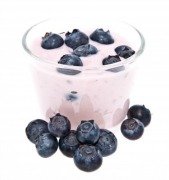
Having the wrong gut bacteria is called gut dysbiosis.
This is one of the major causes of immune problems and of inflammation.
Eating fermented foods such as yogurt is one of the best ways to help against the inflammation that causes disease. 1
Yogurt, one of the easiest foods to add against underlying cause of high cholesterol!
Does Stress Cause High Cholesterol?

Certainly "chonic low stress" has been shown to contribute to hardening and thickening of the arteries, atherosclerosis.
Researchers have found that not only does stress cause high cholesterol, but a cascade of harmful "bad" effects in the body. They found that it:
- aggravated atherosclerotic lesions, as indicated by increased plaque formation, elevation of plasma total cholesterol, triglyceride, low-density lipoprotein cholesterin, and proinflammatory cytokines including TNF-α, IL-1β, and IL-6.
Fortunately they gave the research animals a form of ginger extract called 6-gingerol which improved cholesterol and counteracted most of these effects. 2
Since we are all under "chronic low stress" it is best to protect with fruits vegetables and supplements against inflammation.
Want High Cholesterol Levels Safely Lowered?
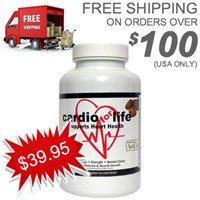
Now that you know the answer to "does stress cause high cholesterol" -- even mild chronic stress -- you may want better protection!
You could have a healthier for high cholesterol and need extra help.
Yes there is help to clear plaque in arteries safely!
You will want to look into some of the top nitric oxide supplements like Dr. Harry's SAFE all-in-one heart formula to:
- safely lower cholesterol
- gently melt away plaque
- naturally lower high blood pressure
- decrease risk of blood clots
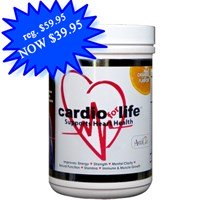
Great tasting POWDER: Pina Colada, Orange, Grape and Peach and CHEWABLES in Chocolate and Berry flavor:
With a better understanding of the underlying cause of high cholesterol we hope that you will find natural heart supplements and foods for your best protection against a heart attack and stroke. Read more about cholesterol:
Does LOW Cholesterol Make You Stupid?
-------------------------------------------
Sources for Underlying Cause of High Cholesterol
1. Optimise the microbial flora with milk and yoghurt to prevent disease. Med Hypotheses. 2018 May;114:13-17. doi: 10.1016/j.mehy.2018.02.031. Epub 2018 Feb 26.
2. 6-Gingerol Ameliorates Behavioral Changes and Atherosclerotic Lesions in ApoE-/- Mice Exposed to Chronic Mild Stress. Cardiovasc Toxicol. 2018 Mar 31. doi: 10.1007/s12012-018-9452-4.
GO to HOME PAGE from underlying cause of high cholesterol


Recent Articles


-
Natural Blood Pressure Supplement Backed by Science
Apr 13, 24 04:10 PM
Try a natural blood pressure supplement for lowering blood pressure without life long medications. -
Scientists find a Natural Treatment for Parkinsons Disease
Apr 04, 22 10:18 PM
A new treatment for Parkinsons disease? Parkinson's disease is a neuro-degenerative disorder for which no neuro-restorative therapeutic treatment is currently available. The medications typically used… -
Amazon’s Best Beauty Products?
Mar 25, 22 12:00 AM
Finding which beauty product is best for your health has just become easier. Did you know that in 2022 Amazon created the Amazon AWARE line of beauty products that are EWG VERIFIED? This stamp of appr…