Aging Eye Problems - Best Diet for Glaucoma - Can Diet be a Macular Degeneration Cure?
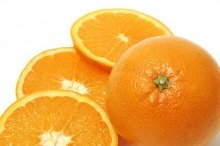 Lutein Zeaxanthin best from red & orange fruits & veg
Want to improve aging eye problems? Is it best to take eye supplements such as vitamins for eyes, or change your diet?
- For prevention, best to eat better for eye health than to take eye vitamins, according to these studies:
Research about disease prevention and aging eye problems, is showing which foods to eat to preserve your eyes as you age!
Best help with your Macular Degeneration cure, and best diet for glaucoma, here's where to start::
- A landmark study in 2001 found that those taking high doses of antioxidants and zinc in supplements reduced the risk of macular degeneration progressing to its advanced form by 25%.
- Now researchers have found that by boosting antioxidants using HIGHER NUTRITION FOODS foods this risk can be reduced even further by 35%!
- You may be interested in a review of medical evidence for the best diet for glaucoma. Why find the best diet for glaucoma? Because your eye drops may not protect you in the long run. 1
- Best supplements? There are now neutraceuticals to help stop Macular Degnerattion in its tracks. These can also help with glaucoma pressure. You may ASK US for a recommendation.
(Nutraceuticals are foods supplements that have been clinically shown to be effective.)
Vision Loss Aging Eye Problems NOT Inevitable
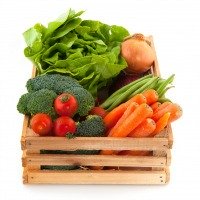
Dutch researchers sought to find out whether the beta carotene, vitamin C and E and zinc in people's NORMAL DAILY FOODS, can prevent age related macular degeneration, AMD in healthy older adults.
THE ANSWER WAS YES!
The researchers followed 4,170 adults, 55 or older for an average of eight years and found that those who ate more vitamin E and zinc in their food were about 10% less likely to develop aging eye problems like Macular Degeneration.
- They also found that MORE IS BETTER -- that eating more than average of all four nutrients gave people the MOST PROTECTION, with a 35% LESS risk of getting AMD, or Macular Degeneration.
Other studies have also found that getting antioxidants from food is MORE effective than from supplements such as vitamin pills.
Which Foods Help the Macula Most?

Which foods improve the MACULA at the back of they eye the most?
Spanish researchers found that it was RED and ORANGE fruits and vegetables that best improved the MACULA. (macular pigment optical density)
- Yes, they greens from plants and eggs both supply high amounts of LUTEIN and ZEAXANTHIN, it was RED and ORANGE foods and fruits that best improve the MACULA. 2
These best protect the eyes against Macular Degeneration.
How to Eat to Avoid Aging Eye Problems
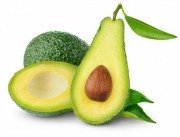
Other studies also show that a regular intake of fish, nuts, fruits and vegetables can help prevent macular degeneration, whereas consuming too much "bad" fats, alcohol and too many baked goods can increase one’s risk.
The following foods can help keep your vision sharp:
- for vitamin E, nuts, seeds, wheat germ, avocado, whole grains and kale
- for vitamin C add citrus fruit, kiwi, green peppers, broccoli and tomato juice
- beta carotene is plentiful in bright orange and dark green produce such as carrots, sweet potato, winter squash, peaches, cantaloupe, kale and spinach.
Why Foods with Lutein, Zinc - Fish for Eyes?
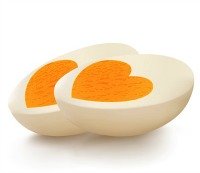
EGGS are an inexpensive source of highly bioavailable lutein
Studies have also found that people who get the most LUTEIN from their diet have a 20% LOWER risk of CATARACT compared to those who consume the least.
- LUTEIN is found mostly in fruits and vegetables, especially leafy greens e.g. kale, Swiss Chard, green peas, broccoli, romaine lettuce, nectarines and oranges.
FOOD OR PILLS FOR LUTEIN?
The human body is better able to absorb eye-healthy lutein from EGGS than from other dietary sources, according to a study by the ARS of the U.S. Department of Agriculture.
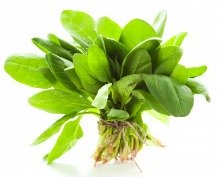
- US Federal surveys report the average American consumes only about two mg of lutein daily, but a salad of one egg and one cup of spinach would easily DOUBLE that by providing the equivalent of about four milligrams of lutein.
ZINC also guards against Macular Degeneration by nourishing cells in the retina. Zinc is also used by many enzymes important to prevent aging eye problems.
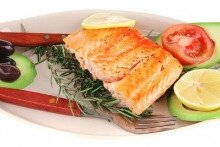
The best foods to have in your diet for your eyes, are:
- Lean meat, poultry, fish, seafood, whole grains, wheat bran, wheat germ, sunflower seeds, egg yolks, legumes and dairy products.
Adding FISH to your diet is advisable.
- An Australian study found that among 3,654 people with macular degeneration, those who ate fish more than once a week were half as likely to have late-stage aging eye problems like macular degeneration.
The human eye contains a high proportion of OMEGA-3 fats, especially DHA, which is abundant in fish and seafood. The best sources are salmon, trout, sardines anchovies and herring.
New Discovery: All Natural Health Supplements Macular Degeneration Treatment
Why are researchers and some doctors now saying that Macular Degeneration can be "stopped in its tracks?"
- Because scientific studies leave little doubt that damage due to OXIDATIVE STRESS causes degeneration of the eyes, and studies also show that this can be stopped.
Using antioxidants in fruits and vegetables is key, but there is also another discovery of a supplement that improves the body’s MASTER ANTIOXIDANT that is important for people that are developing eye problems such as Macular Degeneration.
Best Supplements to Stop Damage?
Researchers around the world have observed that oxidative stress and oxidative damage results in LOW glutathione GSH levels, a molecule that PROTECTS the eyes.
- Experiments have been conducted to test glutathione's antioxidant function in the whole body and in the eyes of patients threatened with macular degeneration.
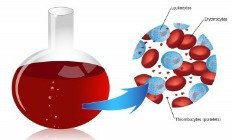
S.M. Cohen and his team at the University of California (Davis) found significantly altered glutathione GSH activity in blood samples of macular degeneration patients.
- Other scientists at Emory University School of Medicine in Atlanta have concluded that:
“therapeutic or nutritional intervention to enhance GSH antioxidant capacity may provide AN EFFECTIVE WAY TO PREVENT OR TREAT Age-Related Macular Degeneration.”
- Stopping damage with this protective molecule, is, according to researchers, your best bet as a Macular Degeneration treatment.
If you have been diagnosed with Macular Degeneration you will want to use a nutraceutical protein that is listed in the U.S. Physician's Desk Reference, the PDR, that has been clinically proven to raise GSH, or glutathione.
ASK US for Best Eye Supplements for You
You may ASK US for:
- A recommendation for the best supplements for your diagnosis to STOP aging eye problems and STOP degeneration
- Reports from people who have been helped with natural macular degeneration treatment.
- Best supplements for broccoli seed extract and building glutathione, GSH.
How Broccoli Protects Your Eyes Against UV Damage!

Sulphoraphane, a compound found in broccoli and broccoli sprouts, has been found to protect the retina against aging eye problems caused by oxidative damage.
- Researchers at Johns Hopkins University say that sulphoraphane could have significant benefits OVER the CATEGORY LEADER, LUTEIN, because:
1) Antioxidants such vitamin C and E, and compounds such as lutein react with free radicals directly, but once they have reacted, they have to be regenerated.
2) Sulphoraphane does not work directly on free radicals. Instead, it up-regulates or BOOSTS THE DEFENCE SYSTEM, letting the body itself fight free radicals.”
Natural Macular Degeneration Treatments
Both SULPHORAPHANE and GLUTATHIONE have the following advantages over other antioxidants:
- These compounds not only protect against eye problems but also every part of the body.
They also tend to last longer in the body, and glutathione makes other antioxidants such as vitamin E and C more effective.
Research on sulphoraphane is still in the early stages, and doses have not been established to prevent eye problems, although broccoli sprouts have been found to provide 20 times the concentration of sulphoraphane than adult broccoli.
- On the other hand, the PROTECTIVE ROLE of glutathione is well established.
Again, there is no vitamin pill or pill that works to improve glutathione levels.
- You will want to find out about a PROVEN nutraceutical that's been clinically shown to improve glutathione that can work as a macular degeneration cure.
Lutein and Zeaxanthin Better in Foods than in Pills
Lutein and Zeaxanthin are antioxidant carotenoids that are a critical part of the macular pigment that protects the retina from degeneration causing eye problems Lutein is supplied by the diet, in particular through:
- LEAFY GREEN VEGETABLES, such as kale, spinach, collards, Swiss Chard, Romaine Lettuce, Beet and Mustard Greens, Endive, as well as in: Egg yolks, red peppers, corn, beetroots, okra, leeks, celery, Brussels sprouts, Pumpkin and peas.
The typical North American diet often does not supply adequate amounts of lutein-rich vegetables to protect against aging eye problems.
- Lutein supplements and vitamins can also protect against eye problems. But eating more red and orange fruits and veg, leafy green vegetables as well as eggs has many more overall health benefits along with preventing eye problems such as Macular Degeneration, cataracts and glaucoma. Why?
Vitamins Lutein Zeaxanthin Supplements Confusion
Adding to the confusion, when antioxidants are taken out of food and put into supplements, there is no guarantee that they will continue to act as antioxidants.
High doses of beta carotene supplements, for instance, may have varying effects depending on a person’s intake of other antioxidants:
- HIGH DOSES of the supplement seems to DECREASE the absorption of LUTEIN, the yellow pigment or carotenoid associated with a reduced risk of developing the eye problems that are the leading cause of blindness in the elderly: cataracts and Macular Degeneration.
But in FOOD, carotenoids ENHANCE EACHOTHER, so that the LUTEIN found in produce like:
- dark leafy greens
- avocados
- kiwis
is a more powerful defender against disease when consumed with lycopene-rich foods like tomatoes -- for best protection against aging eye problems.
How best Improve PROTECTIVE Glutathione?
Yes, improving your body's supply of protective glutathione is the KEY to stopping degeneration.
BUT NO, glutathione pills don't work!
Even though GLUTATHIONE pills are sold in health food stores, they do not work either. Why?
Glutathione is a protein, and it gets digested and does not enter the blood stream and get to the eyes and elsewhere.
- The body has to make this "Master Antioxidant" in the eyes itself for best protection. How can this be done?
- To improve your glutathione, you can take a nutraceutical that's been PROVEN!!
This provides the nutritional pre-cursors to effectively raise your glutathione, the master antioxidant in your eyes WHERE NEEDED.
ASK US for best all natural supplements

You may ASK US for:
- The science for proven, all natural health supplements for aging eye problems
- The best glutathione building, proven supplement for macular degeneration treatment
- Best supplements for diabetic eye problems with broccoli seed extract
We hope that you have been inspired to stop aging eye problems with nutrition and all natural health supplements.
- Certainly, with the threat of losing your sight, it would be worth a 3 month trial of supplements as a natural macular degeneration treatment, and to take proven supplements for cataracts and glaucoma as well.
We wish you the best for helping slow down aging eye problems of AMD, Macular Degeneration Treatment and Glaucauma.
------------------------------------
SOURCES: diet as Macular Degeneration cure and best diet for glaucoma:
1. The Role of Diet in Glaucoma: A Review of the Current Evidence Ophthalmol Ther. 2018 Jun; 7(1): 19–31.
2. Lutein and zeaxanthin supplied by red/orange foods and fruits are more closely associated with macular pigment optical density than those from green vegetables in Spanish subjects. Nutr Res. 2016 Nov;36(11):1210-1221.
GO to HOME PAGE from Aging Eye Problems


Recent Articles


-
Natural Blood Pressure Supplement Backed by Science
Apr 13, 24 04:10 PM
Try a natural blood pressure supplement for lowering blood pressure without life long medications. -
Scientists find a Natural Treatment for Parkinsons Disease
Apr 04, 22 10:18 PM
A new treatment for Parkinsons disease? Parkinson's disease is a neuro-degenerative disorder for which no neuro-restorative therapeutic treatment is currently available. The medications typically used… -
Amazon’s Best Beauty Products?
Mar 25, 22 12:00 AM
Finding which beauty product is best for your health has just become easier. Did you know that in 2022 Amazon created the Amazon AWARE line of beauty products that are EWG VERIFIED? This stamp of appr…