New Crohns Disease Treatment for Auto Immune Disorders, with Immune System Supplements
Current Crohns disease treatment is ineffective in one third of patients, and it also increases the risk of infection and cancer.
- Treatment for this disease has new possibilities for a cure, with immune system supplements for auto immune disorders.
There are new discoveries for re-BALANCING an over-active immune system, to stop the inflammation and heal the pain.

This auto immune disease with inflammation and compromised gut bacteria can now be helped with powerful new supplements.
Not boosting immune system, but rather, by improving immune system balance and strength.
- Here's news about the best immune system supplements to calm the pain and inflammation, with or without medication.
- There are new discoveries for a natural treatment for this disease. These are clinically tested to resolve the underlying factors that cause the colitis and inflammation in the first place.
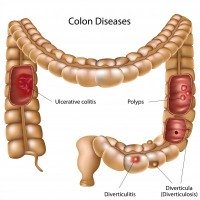
It is now possible to heal and stop the pain, diarrhea and inflammation naturally!
With these discoveries, many people with this disease no longer need to take cortisone (prednisone) and immune suppressing drugs. The big bonus is also, by healing their gut, they are also much less likely to get colon cancer.
Colon cancer is a worry, because the likelihood of colon cancer is very high for people with this disease!
You'll want to find out how to stop the pain, as well as dependence on long-term medications, with:
- Auto immune system supplements and immune vitamins
- What's best for Crohns disease and diet
Crohns Disease: Auto Immune Disease, or "Attack"?
"The only certainty in the mystery behind this disease is that it's a disorder that arises when the immune system turns on inappropriately"
says Dr. Robert Enns a gastroenterologist with the Pacific Gastroenterology Association.
- What does this mean? In effect, the immune cells, “pick on” or “attack” the lining of the gut, causing, inflammation, pain, and eventually, sores that don't heal.
Fortunately, there are "back to nature" medical discoveries that will bring such an overactive immune system "back into line."
You will want to try an auto immune supplement that's clinically proven to RE-BALANCE or "optimize" the immune system.
Not boosting the immune system? No, the immune system is already over-active, and needs to be "calmed down," but also strengthened to do its job properly.
This means that it "modulates" the immune system, which means, "bring back into line" the over-active immune response, while strengthening the weaker immune cells.
You may ASK US for:
- Research about a clinically proven auto immune system supplements -- the science, and how people recover
New Crohns Disease Treatment with Auto Immune System Supplements

How do CD and Auto Immune Disorders come about?
Researchers say that with Ulcerative Colitis that leads to this disease, the body’s normal protective “antioxidant response” is “impaired” or weakened!
How do they know this?
- An indicator of an "impaired antioxidant response" is a low level of a substance called glutathione -- the molecule that feeds the immune system and the body's own "Master Antioxidant." The body's own protective molecule is depleted!
When this molecule is absent or low, the body’s normal protective “antioxidant response” is impaired or weakened.
- Numerous researchers have shown that glutathione (GSH) is markedly lower in the mucosa of people with active Colitis, and even in other areas of their mucosa that are still healthy.
This depletion tends to be even more severe in malnourished patients.
The nutritional status of those suffering from this disease has been investigated at great length, and reveals a depletion of this molecule, glutathione throughout the body.
This can lead to prolonged inflammation, chronic abscesses, deep fissures, malabsorption, infection, bowl obstruction and deep ulcers.
Best of Immune System Supplements

Improving immune system balance can best be done with a protein supplement for auto immune disorders.
Dr. Jimmy Gutman, FACEP, former Chief Resident in Emergency Medicine at Emory University, has written a book on the critical role of Glutathione (GSH) in managing serious diseases such as auto immune disorders.
Improving immune system strength with a glutathione-building supplement is an exciting new Crohns disease treatment, and can also help ulcerative colitis.
CD is similar in many ways to ulcerative colitis.
Its differences, however, make ulcerative colitis a potentially more severe disease. In ulcerative colitis small ulcers are scattered in the lining of the large bowel.
These new, natural immune system supplements, can protect against gastritis, ulcer and cancer and can certainly compliment conventional treatments for these diseases, researchers are reporting. Certainly worth a try!
How to Gain Weight and Heal the Pain?
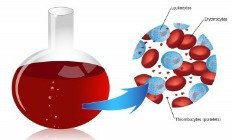
Here's how to get your weight and muscle mass back with natural Crohns disease treatments. (CD)
There's a reason why you can't gain weight:
Malnutrition is almost certain with this disease. Why?
Research shows that with this inflammatory bowel disease, inflamed cells in the lining of the intestines are a hotbed of free radicals which cause damage.
- Scientists have found that the amount of oxidative damage can be directly correlated to the degree of inflammation! And of all the antioxidants that can prevent or stop this damage, they found that GSH, or glutathione is the key one!
Why? Researchers from all over the world have looked at tissue samples that were affected by CD. They all identified a significant depletion of this molecule and alteration of its enzymes!
Malnutrition has also been looked at in depth by scientists, showing an overall depletion of glutathione throughout the body. These findings are also true for children with CD.
Scientists can even cause experimental depletion of gut glutathione that directly leads to severe damage of this sensitive lining.
Trouble is, taking pills it not very effective to restore glutathione levels throughout the body! There are instead, ideal protein supplements that improve glutathione.
Balancing the Immune System Supplements
You may CONTACT US for:
- a personal recommendation for best glutathione immune system supplements
Crohns Disease and Diet: Best Recipes

What about Crohns Disease and diet?
- Your doctor and specialist is not likely to give you a Crohns disease recipe book.
- But many doctors are beginning to see the probiotics and gut health connection, and recommend that you improve your gut bacteria with probiotics.
Crohns disease and diet is definitely important, to remove the triggers for inflammation and pain.
People are definitely healing themselves with supplements and diets such as the Specific Carbohydrate Diet created by Elaine Gottschall.
- As a researcher, I know many individuals who have gone off their medications, including Remicaide, by following this diet along with taking natural remedies!
You'll want to find out what's best for your Crohns disease and diet using this book:
- Recipes for the Specific Carbohydrate Diet: The Grain-Free, Lactose-Free, Sugar-Free Solution:

Because malnutrition is almost certain among this disease's symptoms of pain and diarrhea, you will want to focus on:
- Finding trigger foods and avoiding them.
- Eating NUTRIENT DENSE foods. What are these? Fruits, berries, vegetables, seeds, nuts, beans and lentils.
- Find vegetables that agree with you and eat LOTS, especially avocados, cucumbers, lettuce, spinach and Swiss chard.

- Eating fatty fish e.g. salmon, and eggs as your most easy to digest protein, and against inflammation.
- Add a pro-biotic and pre-biotic because the gut bacteria CD link has definitely been proven.
For fast recovery, ASK US for:
- A personal recommendation for improving immune system drinks with ALL the amino acids in proper balance that's easiest to digest and absorb
- Best pre-biotics, pro-biotic, and omega supplements with turmeric, against inflammation
- Best Vitamins for Immune System Balance
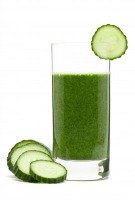
Quick Easy Crohns Disease Recipe
You will want to experiment with making smoothies, and add what you like.
EASY TO DIGEST GREEN SMOOTHIES:
Blend together:
- several hand fulls of greens,such as baby spinach
- soft lettuce, Swiss chard, kale without stems
- fruit e.g. banana, strawberries, blueberries, melon
- juice of half to a whole lemon
- 2 cups or more water
- Sweeten with honey or Stevia (no artificial sweeteners)
DIGESTIVE ENZYMES?
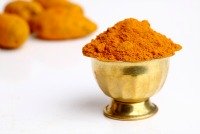
Make soups with beans or lentils and add turmeric as a spice. Turmeric is mild tasting, and is a great anti-inflammatory!!
You may need to add digestive enzymes to eat these, but they will give you the nutrition you've been missing due to the inflammation of colitis.
SUPPLEMENTS AGAINST INFLAMMATION:
You'll also benefit from taking omega oils.
You can ASK US about an easy to digest FISH OIL supplement and Turmeric, which will help the colitis inflammation and the CD disease symptoms of diarrhea and pain.
Best Crohns disease Treatment and Diet
We trust that with our postings, you'll be empowered to heal and that your CD diagnosis is not scary anymore!
- Your disease symptoms such as diarrhea and abdominal pain can be a thing of the past with these natural health discoveries.
You definitely CAN avoid a life-long use of prednisone and the high risk of colon cancer!
We know you'll benefit from our recommendations for Crohns disease and diet, including recipes from this Specific Carbohydrate Diet.
And we hope you will try using our recommended best supplements for immune system strength to heal the underlying cause of colitis and CD.
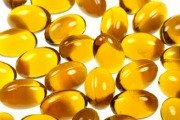
You can add other supplements such OMEGAS, especially as fish oil with turmeric.
Which is the best of immune vitamins?
- Make sure to look into taking a therapeutic vitamin d dosage because auto immune disorders are typically vitamin D deficiency symptoms, and a high dosage has been shown to alleviate CD symptoms.
Scientists are still working to find the right bacteria for a permanent Crohns disease treatment. Why? Gut health needs a proper balance of friendly bacteria. Typically, friendly bacteria in the guts of people with CD have been destroyed by using antibiotics and eating processed foods.
- Gut
bacteria are very complex, but there is very promising research for a
complete cure by re-introducing healthy gut bacteria.
Gut bacteria balance is difficult to restore, especially if these have
been compromised by antibiotics. Even though pro-biotics
improve this situation, they do not totally bring back what was lost.
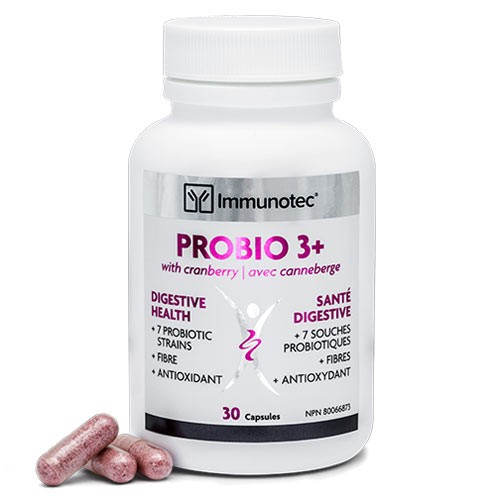
While scientists are working on a permanent cure, take the best supplements for immune system re-balancing, and a pro-biotic to start on your way to recovery.
Go to Health Discoveries HOME PAGE from Natural Crohns Disease Treatment


Recent Articles


-
Natural Blood Pressure Supplement Backed by Science
Apr 13, 24 04:10 PM
Try a natural blood pressure supplement for lowering blood pressure without life long medications. -
Scientists find a Natural Treatment for Parkinsons Disease
Apr 04, 22 10:18 PM
A new treatment for Parkinsons disease? Parkinson's disease is a neuro-degenerative disorder for which no neuro-restorative therapeutic treatment is currently available. The medications typically used… -
Amazon’s Best Beauty Products?
Mar 25, 22 12:00 AM
Finding which beauty product is best for your health has just become easier. Did you know that in 2022 Amazon created the Amazon AWARE line of beauty products that are EWG VERIFIED? This stamp of appr…