Is there a Vitamin That Can
Slow Alzheimers Early Stage?
Yes, there is a proven vitamin that can slow Alzheimers early stage!
Why? Because Alzheimers meds have very undesirable side effects. Instead, researchers are now testing Alzheimers natural treatments.
So which one is the vitamin that can slow Alzheimers the most?
Alzheimers Early Stage New Alzheimer's Test
Why might you ask your doctor for a TEST for your homocysteine levels?
- An immaculate clinical trial has shown that B vitamins stop memory decline in people with Mild Cognitive Impairment whose homocysteine levels are high.
High Homocysteine is a marker for high inflammation, and when this is reduced, memory loss can become stabilized or even reversed!
Here's what they found out:
- The study, published in the International Journal of Geriatric Psychiatry, was a two-year, double-blind clinical trial involving 266 people over the age of 70 with Mild Cognitive Impairment.

The group was randomly assigned to receive either a daily dose of vitamins comprising 800mcg folic acid, 500mcg vitamin B12 and 20 mg vitamin B6, or a dummy pill.
David Smith of the Department of Pharmacology and Founding Director of OPTIMA, Oxford University, says:
“The striking parallel effect of B vitamins in slowing brain atrophy and at the same time reducing cognitive decline is consistent with a disease-modifying effect of this treatment.”
ALZHEIMERS TEST FRONT PAGE NEWS?
- This discovery about the B vitamins should have been FRONT PAGE NEWS news!
- Fortunately, your doctor can easily order this simple TEST as part of routine blood work.
- This homocysteine TEST can certainly help you avoid Alzheimers early stage!
The Vitamin That Can Slow Alzheimers Most?

A good diet has many vitamins and minerals. But the B vitamins are key, especially for Alzheimers early stage.
Here is what researchers concluded:
So eat your spinach and and add vitamin B supplements for slowing Alzheimers early stage.
Add Omegas to this Vitamin that Can Slow Alzheimers Early Stage
Omega 3 also has an effect of on homocysteine, along with this vitamin that can slow Alzheimers best. 2
Scientists know that anti-inflammatory agents and antioxidants work, but they also know how they work to protect the brain:
Fish oil has long been advocated as an affordable supplement to prevent or at least delay this disease.
- UCLA scientists have confirmed this claim and now know the details of the underlying mechanism.
Greg Cole, professor of medicine and neurology at UCLA (University of California in Los Angeles) and associate director of UCLA's Alzheimers Disease Research Center, and his colleagues say that:
- The presence of the omega-3 fatty acid docosahexaenoic acid (DHA) near neurons increases production of a protective protein called LR11.
- This LR11 protective protein is LOW in Alzheimer's patients.
- If there is enough of this protein, it destroys the plagues in the brain that are believed to be the cause of Alzheimers disease.
These plaques are made of misfolded proteins called beta amyloid that are thought to be deadly to neurons.
Since the plaques are formed in the brain many years before symptoms of the disease are noticed, DHA should be included as a preventative measure rather than as an Alzheimers natural treatment only.
Best Alzheimers Natural Treatment?

Scientists such as Gregory Cole are "finding a safe and effective new approach to prevention and Alzheimers Disease treatment that is tremendously exciting."
Dr. Cole is a professor of medicine and neurology at the David Geffen School of Medicine at UCLA.
These new interventions are being based on anti-inflammatory nutrition and antioxidant research. At the center of this new approach are:
- Anti inflammatory and artery protective omega 3 fish oils as well as vitamins, herbs such as ginkgo and spices such as curcumin.
- There are also NEW, protective medical proteins that improve the brain.
This nutraceutical brain health supplement can help to:
1) detoxify and feed the brain
2) bring down inflammation in the brain
3) improve “signal pathways” for brain cells to communicate again
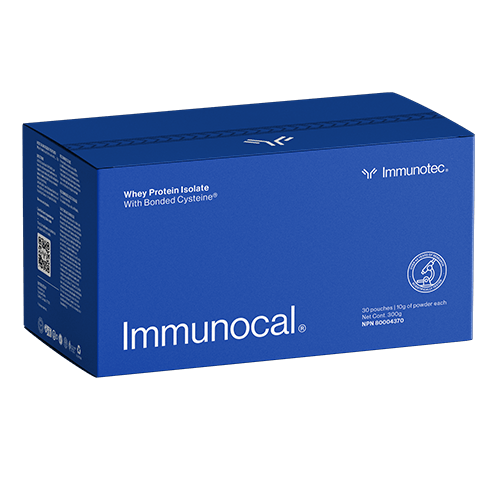
Researchers have found that Alzheimers dementia is characterized by increased inflammation due to “cytokines” and “activated microglia.”
(Lim GP, Chu T, Yang F, Beech W, Frautschy SA, Cole GM. Departments of Medicine and Neurology, University of California, Los Angeles, Los Angeles)
- IMMUNOCAL has been clinically shown to DECREASE “inflammatory Cytokenes.”

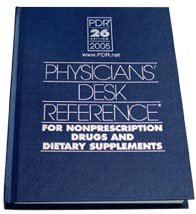
Many people have reversed Alzheimers symptoms using these neuro-protective proteins. We would recommend those listed in the USA Physician's Desk Reference.
You may ASK US:
- A supplement with "cytokine modulating proteins" to combat inflammatory Cytokines to help slow and even reverse some Alzheimers Disease symptoms.
Test Alzheimer for Statins and Memory Loss
Another important Alzheimer test is to rule out the possibility of statins and memory loss.
Lipitor Thief of Memory was written by Dr. Duane Graveline after he experienced total memory blanks.
- The use of Statins and memory loss may not be recognized by your doctor, but lipitor alzheimers can clear up once the medications are discontinued.
It is certainly worth a try! Certainly Dr. Graveline lost his Alzheimers Disease symptoms by stopping the medication.
Alzheimers new discoveries and Best Alzheimer Natural Treatments for Alzheimer Causes

We hope that you have found new inspiration to use this vitamin that can slow Alzheimers even beyond Allzheimers early stage.
Here is what scientists agree on WORLD-WIDE:
- Homocysteine and Dementia: An International Consensus Statement.
Intervention trials in
elderly with cognitive impairment show that homocysteine-lowering treatment
with B vitamins markedly slows the rate of whole and regional brain atrophy and
also slows cognitive decline.
- And there is hope for reversal, even with more advanced Alzeimers symptoms. Many people are able to recognize their loved ones again and regain quality of life with better Alzheimers natural treatments.
- Certainly, Alzheimers care will become much easier for their care givers, because patients tend to become more self sufficient and cooperative, so they are easier to care for.
- Brain health supplements cerainly can help lessen the negative effects of Alzheimer meds.
Alzheimer natural treatment will help with moods and functioning!
------------------------------------
Sources for the Vitamin that Can Slow Alzheimers:
1. Adv Nutr. Vitamins Associated with Brain Aging, Mild Cognitive Impairment, and Alzheimer Disease. 2017 Nov 15;8(6):958-970. doi: 10.3945/an.117.015610. Print 2017 Nov.
2. J Nutr Health Aging. Plasma Homocysteine and ...Omega 3 Polyunsaturated Fatty Acid Status in Older Adults at Risk of Dementia. 2017;21(10):1075-1080. doi: 10.1007/s12603-017-0989-x.
Go to Health Discoveries HOME PAGE from Vitamin that Can Slow Alzheimers


Recent Articles


-
Natural Blood Pressure Supplement Backed by Science
Apr 13, 24 04:10 PM
Try a natural blood pressure supplement for lowering blood pressure without life long medications. -
Scientists find a Natural Treatment for Parkinsons Disease
Apr 04, 22 10:18 PM
A new treatment for Parkinsons disease? Parkinson's disease is a neuro-degenerative disorder for which no neuro-restorative therapeutic treatment is currently available. The medications typically used… -
Amazon’s Best Beauty Products?
Mar 25, 22 12:00 AM
Finding which beauty product is best for your health has just become easier. Did you know that in 2022 Amazon created the Amazon AWARE line of beauty products that are EWG VERIFIED? This stamp of appr…